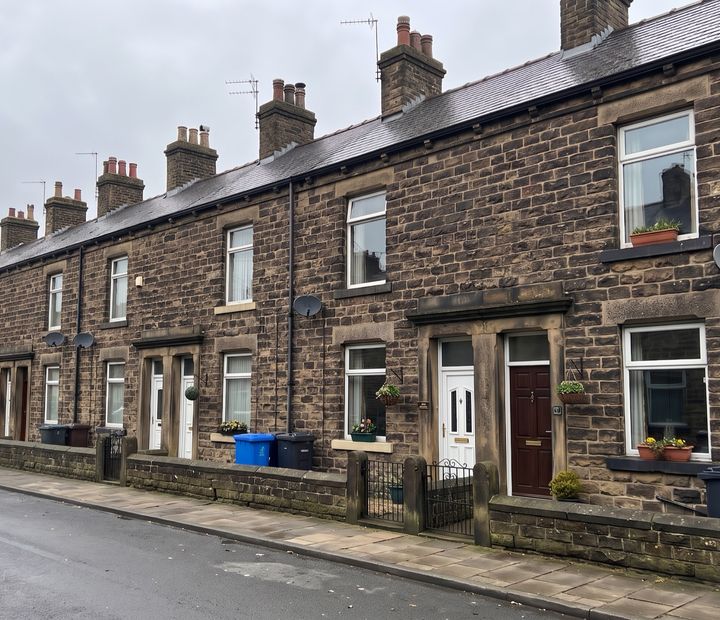
Northwest Environmental covers homes and business premises across Merseyside, on both banks of the river, including Bootle, Birkenhead and Huyton. We treat rats, mice, bed bugs, cockroaches and wasps, proof roofs against gulls, and run monitoring contracts at dockside and business-park sites. Ring the office or use the online form, giving your postcode and the pest you have seen.
Why does Merseyside need planning on both banks of the river?
The Mersey estuary cuts the county in two, with the Wirral peninsula on the western side and the city and its neighbouring boroughs on the other. The Irish Sea runs along the western coast, and the long Sefton shoreline to the north is protected as a Site of Special Scientific Interest. For pest work, that split is practical rather than scenic. A rat problem in a dockside unit in Birkenhead and a mouse problem in a Bootle terrace are a river apart, so we group Merseyside jobs by bank and by day. Householders and businesses share those rounds, so a family with mice behind the kitchen units and a facilities manager with gulls on a loading canopy can both be given a fixed date.
How do the docks and the canal shape rat activity?
The Port of Liverpool stretches along the Liverpool bank from Brunswick Dock up to Seaforth and takes in the Birkenhead Docks across the water. Seaforth, the largest dock in the system, handles grain alongside containers. Wherever grain is moved, spilt and stored, brown rats and house mice find a reliable food supply, and stored-product insects such as grain weevils and flour beetles follow the same trail into sheds, silos and the units that receive the loads.
The Leeds and Liverpool Canal adds a second corridor. It runs down through Aintree and Bootle, drops through the Stanley Dock locks to the Eldonian Basin, and a newer link carries it past the Pier Head to Canning Dock. Brown rats swim well and burrow into soft banks, so towpaths, culverts and the back fences of canal-side properties tend to show activity first when numbers climb. For premises along these routes, our commercial pest control contracts rely on boundary bait stations, proofed door seals and service entries, and a visit log an auditor can follow.
Why do terraced streets in the north and east of Liverpool pass mice along?
Liverpool’s own head of private sector housing has described back-to-back terraces as still dominating large parts of the north and east of the city. The pattern is old: back-to-backs are thought to date from the 1780s, and building new ones was banned from 1861. In a long row, roof voids, chimney breasts, under-floor spaces and old pipe runs link one house to the next, so mice treated at one address can simply move two doors down. Effective rat and mouse control here means finding the weak points along the row, sealing them with wire wool, mesh and mortar, and speaking to neighbours where they are willing.
Rubbish storage plays a large part. Around 850 communal bin stations were added between 2018 and 2022 for homes with little alleyway space, and the council is now giving them permanent housing, partly to reduce fly-tipping. Weekly food waste collections have been rolling out since September 2025. Enclosed, lidded waste is one of the simplest ways to starve out rats and gulls, so a well-kept bin station does more than any amount of bait.
Some neighbourhoods were also left partly demolished when Housing Market Renewal funding ended in 2010, and boarded houses beside occupied ones give rodents undisturbed shelter.
Who deals with pests in a rented or shared house?
Private renting makes up 32% of Liverpool’s housing and comes close to half in at least a third of the city’s wards. The city brought in the UK’s first city-wide landlord licensing scheme in 2015. For tenants, the practical point is that Liverpool’s domestic service tells people in shared houses, HMOs or with pests in communal areas to go to their landlord, and Knowsley does not treat HMOs at all.
Bed bugs and German cockroaches spread most readily between rooms in shared housing: bed bugs in luggage, bedding and second-hand furniture, cockroaches through warm kitchens, boxed-in pipework and heating ducts. Our bed bug control for landlords starts with every room that shares a wall or landing with the affected one, then treatment, then a return visit timed for nymphs hatching from surviving eggs. Landlords receive a written record, useful when a licence condition or tenant query comes up.
What should businesses do about gulls?
City shoppers and workers regularly complain about gulls snatching food and swooping, and a behavioural ecologist at Liverpool John Moores University puts it down to rooftops that mimic sea cliffs and easy meals from litter and food waste. His advice is to secure waste and protect likely nesting sites before birds settle. That matches the legal position: wild birds, their active nests and their eggs are protected, so once a pair has laid, the options narrow sharply. Bird proofing with netting, post-and-wire on ledges and spikes on parapets is best fitted over the winter, ahead of the late-spring and early-summer weeks when gulls are at their loudest.
Warehouse and workshop units at Knowsley Business Park, about a mile from junction 4 of the M57, face the same pressure on flat roofs, loading bays and staff break areas. On the Wirral bank, Port Sunlight has 900 Grade II listed buildings inside a conservation area, and fixings on a listed frontage can need consent, so we survey first and suggest discreet methods.
How do the councils’ services differ across the county?
Each borough runs its own service. Liverpool treats rats and mice in private homes without charge, books visits online, and charges for ants and wasps in a season running from 1 July to 31 October. Wirral charges for every domestic treatment with no concessions, needs a sample identified before treating suspected cockroaches or bed bugs, and treats wasps only from 1 June to 31 October. St Helens charges for all treatments, offers a reduced rodent rate for people on benefits, and includes moles, squirrels and carpet beetles. Sefton charges per pest, waives the charge for five pests for Council Tax Reduction households, and does not handle pigeons, squirrels, moles or bees.
We pick up the work those services leave out: shared houses, commercial contracts, early wasp nests, pigeons and gulls, squirrels where the council will not take them on, and any job where a fixed date matters more than a place in a queue.
How are Merseyside visits planned from Warrington?
Technicians come in from our Warrington base along the M62, and the M57 ring road and the M53 on the Wirral side let us link several addresses on one round. You are given an agreed day when you book, and repeat visits for rats, bed bugs or cockroaches are fixed at the first appointment. The same team covers Cheshire, Lancashire and Greater Manchester, so a business with sites in more than one county can keep a single contract and one set of records.
Towns we cover in Merseyside
St Helens
St Helens pest control for homes and businesses: brook-side rats in Parr, Haydock warehouse contracts and Rainford farm edges, planned from Warrington.
Liverpool
Pest control across Liverpool for homes, landlords and businesses: terraces, HMOs, city-centre kitchens and dockside sites, scheduled from Warrington.
Southport
Pest control in Southport for homes and businesses: rats on the moss edges, gulls on listed seafront hotels, wasps and bed bugs, planned from Warrington.
Wirral
Pest control across Wirral for homes and businesses, from Birkenhead's docks and Tranmere terraces to Bromborough food sites, scheduled from Warrington.
What Liverpool City Council; St Helens Borough Council; Wirral Council; Sefton Council offers
All four councils still treat private homes, but on different terms: Liverpool deals with rats and mice in homes without charge and charges for ants and wasps within a summer-to-autumn season, Wirral and St Helens charge for every domestic job, and Sefton charges per pest except for some pests in Council Tax Reduction households. Shared houses sit largely outside the domestic offer, with Liverpool sending HMO tenants to their landlord and Knowsley, the county's fifth borough, not treating HMOs at all. Liverpool, Wirral and Sefton quote commercial premises individually after a survey or enquiry.
Council pest control page (checked 2026-10-24).
Our services in Merseyside
Rat & Mouse Control
The Leeds and Liverpool Canal runs through Aintree and Bootle to the docks, and long back-to-back rows in the north and east of Liverpool let mice pass from one house to the next.
Commercial Pest Control
Grain handled at Seaforth, the Birkenhead Docks across the river and the warehouse units at Knowsley Business Park all call for documented monitoring and proofing.
Bird Control & Proofing
Gulls treat city rooftops as sea cliffs and feed on food waste, so roofs, ledges and loading canopies need proofing before the birds settle in spring.
Bed Bug Control
Private renting makes up about a third of Liverpool's homes, and with HMOs referred to landlords or left out of council services, shared houses usually need a private treatment plan.
Wasp & Hornet Nest Removal
Council wasp treatment runs only in set windows, from 1 July in Liverpool and 1 June on the Wirral, so a nest found earlier in the year needs a private visit.
Other services available:
Local factors behind pest problems in Merseyside
- The Mersey estuary divides the county in two, with the Wirral on its western side; the Irish Sea forms the western coast and the Sefton Coast is listed as a Site of Special Scientific Interest. [Wikipedia]
- The Port of Liverpool stretches from Brunswick Dock to Seaforth on the Liverpool bank and includes the Birkenhead Docks opposite; Seaforth, opened in 1972 and the largest dock in the system, deals in grain and containers, and a cruise terminal has operated at the Pier Head since 2008. [Wikipedia]
- The 127-mile Leeds and Liverpool Canal passes through Aintree and Bootle, descends the Stanley Dock locks to the Eldonian Basin, and a link built this century takes it past the Pier Head to Canning Dock. [Wikipedia]
- Liverpool City Council's head of private sector housing has said back-to-back terraces still dominate the north and east of the city, where private renting is 32% of all stock and nearer half in at least a third of wards; a city-wide landlord licensing scheme, the UK's first, began in 2015. [Liverpool City Council (Liverpool Express)]
- Liverpool's earliest back-to-back houses are thought to date from the 1780s and new ones were banned from 1861; when Housing Market Renewal funding ended in 2010, several renewal schemes stopped and some neighbourhoods were left partly demolished. [Wikipedia]
- Liverpool has about 850 communal bin stations, added between 2018 and 2022 for homes with little alleyway space, and the council is moving to give them permanent housing units, partly to cut fly-tipping; weekly food waste collections have been rolling out since September 2025. [Liverpool City Council (Liverpool Express)]
- An LJMU behavioural ecologist links the city's gull complaints to rooftops that resemble sea cliffs and easy food from litter and waste, and advises securing rubbish and protecting likely nest sites before birds settle. [Liverpool John Moores University]
- Knowsley Business Park at Unity Grove, Prescot, is described as one of Merseyside's main employment locations, about a mile from junction 4 of the M57 and close to the A580 East Lancashire Road, with warehouse and workshop units. [Indurent]
- Port Sunlight on the Wirral was begun by Lever Brothers in 1888 to house soap-works staff; it has 900 Grade II listed buildings and became a conservation area in 1978. [Wikipedia]
- Knowsley Council does not treat houses in multiple occupation and tells HMO owners to use a private pest control company; its pest pages also include one on sewer baiting. [Knowsley Council]
Pest control in Merseyside: frequently asked questions
What do the Merseyside councils offer for pest control?
Each borough sets its own terms. Liverpool treats rats and mice in private homes without charge and charges for ants and wasps in season. Wirral and St Helens charge for every domestic job, though St Helens has a reduced rodent rate for people on benefits. Sefton charges per pest but waives it for rats, mice, bed bugs, fleas and cockroaches in Council Tax Reduction households. Knowsley charges and does not treat HMOs. Check your council's page first, then call us for anything it leaves out.
Do you cover the Wirral as well as the Liverpool side of the river?
Yes. We work across the whole county, including Birkenhead, Wallasey and Heswall on the Wirral, Bootle, Crosby and Formby in Sefton, Huyton and Kirkby in Knowsley, and Haydock and Newton-le-Willows in the St Helens borough, as well as Liverpool itself. Jobs are grouped by bank so one technician can see several addresses in a day, and our Liverpool, Wirral, Southport and St Helens pages go into more local detail.
I rent a room in a shared house and have bed bugs. Who should deal with it?
Tell your landlord or managing agent in writing straight away. Liverpool's domestic service directs people in shared houses, HMOs and communal areas to their landlord, and Knowsley does not treat HMOs at all, so a private firm is normally the route. Bed bugs rarely stay in one room, so we inspect the rooms either side and across the landing, treat, and return two to three weeks later for eggs that have since hatched. The landlord receives a written report.
Can gulls nesting on our shop or warehouse roof be removed?
All wild birds, their active nests and their eggs are protected under the Wildlife and Countryside Act 1981, so once a pair has laid, the options are limited and any action has to fall within a licence. The workable answer is timing: survey over winter, clear old nesting material outside the breeding season, and fit netting or wire before the birds return in spring. Lidded bins and tidy food waste remove the other reason gulls stay.
What if I find a wasp nest outside the council's season?
Liverpool runs its ant and wasp treatments from 1 July to 31 October, and Wirral offers wasp treatment from 1 June to 31 October, so a nest spotted in late spring can fall outside both. We treat active nests at any point in the year. Colonies die off over winter and old nests are not reused, so a nest found empty in November usually needs no treatment, only a check that it is not near a door or vent.
Do you handle pest control for dockside and business park premises?
Yes. Sites that handle grain, packaged food or imported goods near the docks on either bank, and the warehouse and workshop units at Knowsley Business Park, usually need a monitoring contract rather than one-off call-outs. We agree a visit frequency based on risk, place and map bait stations and insect monitors, proof doors and service entries, and leave a record of each visit that an auditor or environmental health officer can follow.
Why do rats keep returning to my terraced street?
In long terraced rows, roof spaces, under-floor voids and old drain runs connect neighbouring houses, so treating one property rarely solves the problem for good. Rats often arrive through broken drains or sewer connections, which is why Knowsley runs sewer baiting. We treat the house, check the drain with a camera or test where the signs point that way, seal entry points with mesh and mortar, and suggest neighbours on either side are checked too.
Nearby areas we also cover
Sources (11)
Last updated: