For St Helens households and businesses, Northwest Environmental handles rats, mice, bed bugs, wasps and nuisance birds, covering Parr, Eccleston and Haydock as well as the town centre. Each visit is scheduled from our Warrington base and starts with a survey before any treatment or proofing. Phone the office or book through the online enquiry form.
Why does so much rat work in St Helens start by the water?
Sankey Brook runs straight through Parr, in the east of the town, and Black Brook marks the district’s western edge. The Sankey Canal follows the same valley. Opened in 1757 to link the Mersey with Broad Oak Basin on the north-eastern side of the town, it is still in water for most of its length, and the seven-mile path beside it now forms Sankey Valley Country Park, with The Flash wetland and a chain of fishing ponds along the way. For brown rats, that long run of bank, reed and towpath is a ready-made road, with bread thrown for the ducks waiting along it.
Eccleston has watercourses of its own. Mill Brook and Windle Brook wind through it, and Eccleston Mere, created to provide water for Pilkington’s Watson Street works, is now a leisure lake. Carr Mill Dam is reckoned to be the largest body of inland water in Merseyside. Homes that back on to any of this water see burrows under sheds and decking more often than streets set further back, so rat and mouse control here begins with a walk along the boundary to find the crossing point before any traps or stations go down.
Through the centre the canal disappears. One section was filled in, and the Eastside development includes plans to dig it out again. Reopening a buried channel is the kind of groundwork that unsettles rats, so nearby premises should check door seals and bin stores once digging starts.
What happens when the rain comes down hard?
Cloudbursts now bring severe surface-water flooding to the borough more often, and in Haydock flash floods have put key roads under water more than once. Surcharged sewers and flooded banks drive rats out of their pipes and burrows into the nearest dry shelter: a garage, a garden store or the void beneath a ground floor. A spate of sightings soon after a storm usually traces back to this, and a drain inspection at that point is worth more than extra bait.
How do Parr’s estates and older streets change the approach?
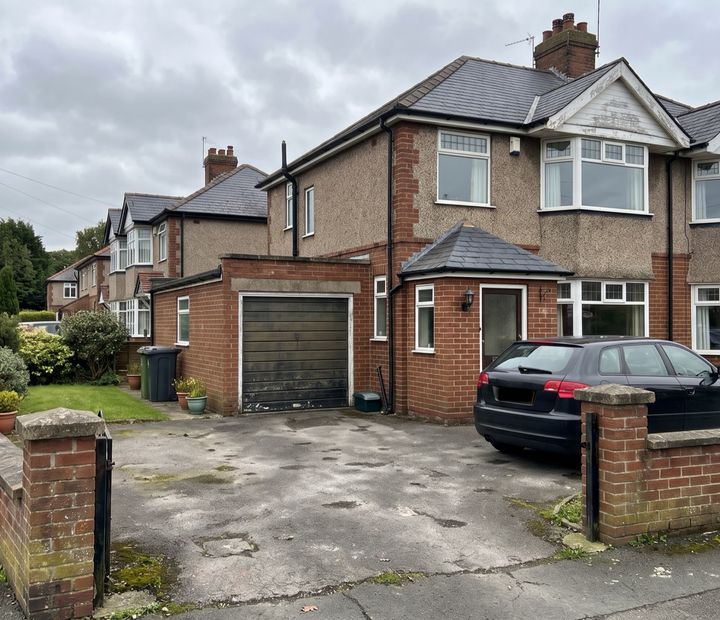
Most of Parr is social housing, built in three phases after the war: the Pennine Drive Estate in the 1950s, the Waring Avenue Estate across the 1950s and 1960s, and Concourse Way in the 1960s, still nicknamed ‘Cement City’ because of its pebble-dash. Around them stand terraces dating from the 1890s onwards and homes from the 1930s, with newer private houses on Newton Road and Fleet Lane.
Homes joined by party walls and shared roof spaces are best dealt with together. Mice travel through connecting voids, and during bed bug control in attached homes we often find the insects have crept along pipe runs and behind skirting into the property next door, so we involve neighbours, landlords or housing providers wherever we can. On rendered houses we pay close attention to cracking around old pipe entries and airbricks, because a hole of roughly 15 mm will admit a young rat.
Haydock has a different shape. Homes and commercial buildings share the A599 corridor, with big post-war estates on the southern side of the East Lancashire Road, so a rat problem at a shop or unit can quickly become one for the houses behind it.
What is changing in the town centre?
The Hardshaw Centre shut in August 2024, the Swan pub was knocked down in 2025 to clear the way for Phase 1A, and the transport interchange is being regenerated. Phase 1A itself will bring 65 homes and townhouses, joining apartment blocks put up in earlier rounds of redevelopment, while Church Square, whose shopping centre the council bought in 2017, now holds regular open-air and pop-up craft markets.
Demolition disturbs rats living in old drains and foundations, and they head for the nearest food: bins behind cafés and takeaways, market waste and the yards of neighbouring shops. Food businesses near Church Square and Victoria Square should take the building work as a cue to check door brushes, drain covers and bin stores. In the apartment blocks, shared risers let mice and bed bugs move between flats, so one report should prompt checks on the flats around it.
Glass, logistics and retail: what do St Helens premises deal with?
Pilkington is the one big industrial employer the town has left, and its glassworks still dominate the industrial quarter of a place built on glassmaking, coal mining, chemicals and copper smelting. Glass Futures, a research facility, occupies a brownfield site beside the rugby league stadium. Old industrial land, with rubble, scrub and redundant pipework, gives rats cover right up to working buildings, so perimeter monitoring matters here as much as anything indoors.
In Haydock, the emphasis is logistics. Distribution centres have clustered north of the A580 near the M6 at junction 23, a trading estate covers the site of Old Boston Colliery, and a large fulfilment centre stands at Florida Farm. Constant loading, open dock doors and pallets stacked against walls give mice and rats easy entry, while big flat roofs suit nesting gulls and roosting pigeons, which is where bird proofing comes in.
Most out-of-town shopping happens on two retail parks, St Helens and Ravenhead. Haydock Park Racecourse, laid out in 1898–99 across 127 acres, hosts race meetings and, since 2014, music events, so its kitchens and bars face the pressure crowds put on bins and storage. Premises like these need scheduled monitoring with a written report after each visit, which is what an environmental health officer or auditor will ask to see.
Where does the farmland come in?
Rainford, five miles north in the WA11 district, is effectively an island of houses in a fertile plain farmed mostly for crops, with a few herds of livestock. Much of the wider borough is rolling farmland. After harvest, wood mice and rats move towards barns, feed stores and the gardens at the village edge, so autumn calls from Rainford often involve outbuildings as well as homes. Feed kept in lidded metal bins and hen runs on hard standing make a lasting difference.
How does the council’s service fit alongside ours?
Many councils run a pest control service for residents, but what is covered, who can book and the charges all vary and can change, so check the council’s own pest control pages before you book. If you rent, report the problem to your landlord first. If you would rather book a private firm, call or message us to arrange a visit.
How are St Helens visits planned?
Warrington borough borders St Helens to the south, and our technicians plan St Helens rounds from the Warrington base, grouping homes and business sites by area so return visits land on the agreed day. Widnes and Wigan both border St Helens as well, so a business with sites in more than one of these towns can keep one provider and one set of records.
What St Helens Borough Council offers
Check the St Helens Borough Council website for current pest control services, who can book and what it charges, because these change. If you rent, ask your landlord who is responsible for treatment.
Council pest control page (checked 2026-10-24).
Our services in St Helens
Rat & Mouse Control in St Helens
Sankey Brook through Parr, the water-filled Sankey Canal and the brooks in Eccleston give rats long bankside routes into gardens, and flash flooding after storms flushes them out of sewers and burrows into garages and floor voids.
Bed Bug Control in St Helens
Joined terraces and post-war estates in Parr, and the shared risers in town-centre apartment blocks, let bed bugs pass from home to home, so we check attached properties wherever access allows.
Wasp & Hornet Nest Removal in St Helens
For wasp and hornet nest removal here we survey first, trace how pests are getting in and seal those routes as well as treating, so the problem does not simply come back.
Commercial Pest Control in St Helens
Distribution centres near M6 junction 23, the trading estate on the former Old Boston Colliery and the town's two retail parks need scheduled monitoring with written records ready for an auditor or inspector.
Bird Control & Proofing in St Helens
Large flat roofs on Haydock's warehouses and the retail parks suit nesting gulls and roosting pigeons, and outdoor market stalls in Church Square need food scraps cleared so birds are not drawn in.
Other services available in St Helens:
Local factors behind pest problems in St Helens
- Sankey Brook cuts through Parr and Black Brook runs along the district's western edge, while the Sankey Canal, opened in 1757, climbed the Sankey Valley through Parr and finished at Broad Oak Basin on the town's north-eastern side. [Wikipedia]
- The bulk of the Sankey Canal is still watered, but a stretch through central St Helens was filled in, and the Eastside development includes plans to excavate it again. [Wikipedia]
- A seven-mile path along the Sankey Valley makes up Sankey Valley Country Park, which takes in The Flash wetland and a series of fishing ponds; locals know the canal near the centre as 'The Hotties'. [Wikipedia]
- Mill Brook and Windle Brook both flow through Eccleston, where Eccleston Mere, which once fed water to Pilkington's Watson Street works, is now kept for recreation. [Wikipedia]
- Downpours have increasingly left the borough with serious surface-water flooding, and Haydock has seen its main through-roads swamped by flash floods on several occasions. [Wikipedia]
- Most housing in Parr is social housing built in three phases: the Pennine Drive Estate in the 1950s, the Waring Avenue Estate in the 1950s and 1960s, and 1960s Concourse Way, nicknamed 'Cement City' after its pebble-dash. [Wikipedia]
- North of the A580, distribution centres have grown up close to the M6 at junction 23, and a trading estate now occupies the site of Old Boston Colliery. [Wikipedia]
- Rainford sits on a fertile farming plain as what is described as an urban island, ringed by large, mostly arable farms with a few livestock herds. [Wikipedia]
- Redevelopment of the town centre has seen the Hardshaw Centre shut its doors (August 2024) and the Swan pub knocked down (2025) for Phase 1A, with the transport interchange also being regenerated. [Wikipedia]
Pest control in St Helens: frequently asked questions
What pest control does St Helens Borough Council provide?
Many councils run a pest control service for residents, but what is covered, who can book and the charges all vary and can change, so check the council's own pest control pages before you book. If you rent, report the problem to your landlord first. If you would rather book a private firm, call or message us to arrange a visit.
Do you cover Haydock, Rainford and the WA9 side of St Helens?
Yes. We work across all three St Helens postcode districts. WA9 takes in Sutton, Thatto Heath and Clock Face; WA10 covers Eccleston and West Park; and WA11 reaches Haydock, Moss Bank, Crank and Rainford. Homes and business premises are booked into the same rounds, planned from our Warrington base, so give us your postcode when you get in touch and we will offer the nearest available day.
Can flash flooding in Haydock bring rats into our street?
It can. Flooding after heavy downpours has become a more frequent problem across the borough, and Haydock's main roads have gone under water more than once. Floodwater fills sewers and brook-side burrows and pushes rats into the nearest dry places, such as garages, sheds and the voids beneath ground floors. Sightings that start straight after a storm sometimes fade as the water drops, but rats that find food and a way inside tend to stay. A drain check afterwards is worthwhile, because rushing water can shift covers and loosen old joints.
We run a warehouse near junction 23. Can you set up regular visits?
Yes. For distribution and industrial sites around Haydock we begin with a survey of the building line, dock doors, drainage and any rough ground beside the yard, then agree a visit frequency that matches the risk. Every visit is written up with a plan showing every monitoring point, what was found and which proofing is still outstanding, so the records are ready for a client audit or an environmental health inspection. Gulls or pigeons on the roof can be assessed on the same visit.
We found a wasp nest in May. Will anyone treat it before June?
The council starts wasp treatments on 1 June, because wasps are not usually active before early summer, but queens begin building in spring and some nests are found sooner. If you have an active nest earlier in the year, we can inspect it and treat it once we are sure it is wasps. Bees are handled differently: the council no longer treats them unless they are a danger to the public, and we would point you towards a beekeeper for a honeybee swarm rather than destroy it.
Why do mice come indoors every autumn in Rainford?
Rainford is ringed by large arable farms, and once the fields are harvested and nights turn cold, wood mice and house mice move from hedgerows and field margins into garages, outbuildings and kitchens. Rats follow stored grain, animal feed and hen runs. Closing gaps around pipes and door bottoms before October, and keeping feed and bird seed in lidded metal bins, does more than any spray or plug-in. If mice are already in, we trap along the runs and proof the way in so the next harvest does not bring them back.
Will the town-centre demolition push rats into nearby shops?
It may. Taking down old buildings, as with the Swan pub for Phase 1A, disturbs rats living in disused drains and foundations, and they move to the nearest food and shelter. Cafés, takeaways and shops around Church Square and Victoria Square should check door brushes, drain covers and bin stores now, and keep waste sealed overnight. If you see droppings or gnawing, act on it the same day and record what you found, since a food business must show it has pest control procedures in place.
Nearby areas we also cover
Last updated: