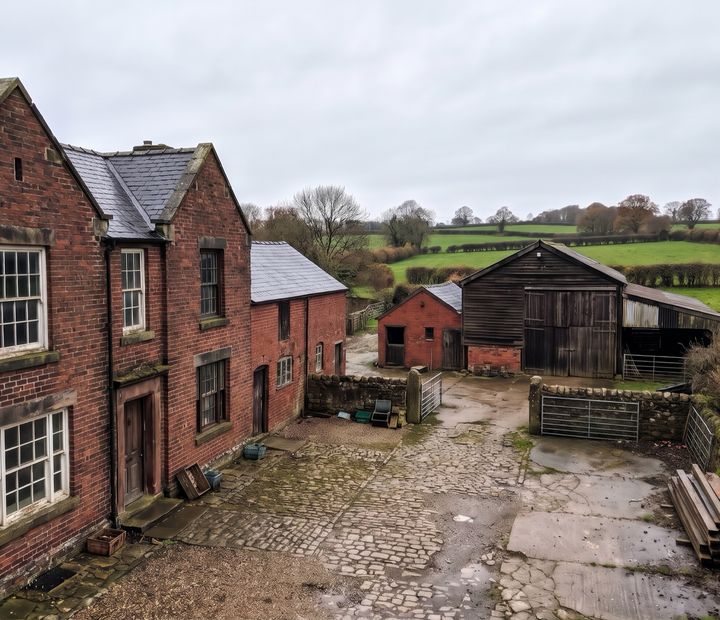
Northwest Environmental provides pest control for homes, farms and businesses across Cheshire, including Chester, Northwich and Runcorn. We deal with rats, mice, wasps, insects, squirrels and nuisance birds, and schedule each visit from our Warrington base. To book, phone us or use the quote form, giving your postcode and what you have seen.
Four councils, four different pest services
Cheshire is split between four unitary councils, and no two of them draw the line for pest work in the same place. Cheshire West and Chester has the broadest list, treating rodents, wasps, crawling insects, moles and squirrels at homes and business premises, and surveying pigeon problems before deciding on a treatment. Cheshire East goes no further than rats and mice inside the home and keeps its business work in separate contracts. Warrington’s officers visit both residential and commercial properties in the borough. Halton runs a basic rat service, treats schools for a short list of pests and turns away bees, bed bugs, birds, moles and squirrels altogether.
A family in Cheshire East with hornets in the soffits, or a Runcorn landlord with bed bugs in a flat, has no council route at all. Each council publishes its charges online, so read the page for your area, then compare what each option includes: follow-up visits, proofing and a written record.
Why does so much rodent work follow the water?
Population is densest in the north, around the Mersey, and that is also where the largest channels run. The Manchester Ship Canal, open since 1894, carries 36 miles of wide water inland through Runcorn and Warrington. Further south the Weaver, Dane and Wheelock cross the farmland, the Dee marks part of the boundary with Wales, and the Trent and Mersey and Shropshire Union canals thread through the gaps.
Brown rats swim well and dig readily into soft banks, so towpaths, culverts and waterside gardens give them food, cover and a route between properties. Clearing the rats you can see is only part of the answer near these channels. Our rat and mouse control visits trace burrows, damaged drains and gaps under doors and decking, because those are what the next arrivals will use.
Meres, mosses and the dairy plain
Away from the Mersey corridor this is a rural county with an unusually large number of villages. A broad, flat plain, divided by the Mid-Cheshire Ridge, was left pitted with kettle holes by retreating ice; the ones holding water are the meres. Around them lie mosses, the glacial bog, marsh and fen that Cheshire Wildlife Trust protects at reserves such as Bagmere and Danes Moss.
Dairy dominates the farming, with cattle the main livestock. Feed stores, silage clamps and calf housing keep rats and mice supplied all winter, and the same animals drift into farmhouses as the nights get colder. On farms we put bait only where cattle, working dogs and wildlife cannot reach it, check stations on a set round and log every visit so the farm has a record for inspections.
Big woodland such as Delamere Forest and Macclesfield Forest suits grey squirrels, which move into lofts on the wooded edges of villages and chew timber, insulation and wiring. A trapped grey squirrel cannot lawfully be released, so squirrel removal always ends with the entry hole sealed.
New towns, railway streets and the Golden Triangle
Warrington, now the county’s largest urban settlement, was one of the post-war new towns marked out for expansion, and Runcorn received its own designation in April 1964 to relieve overcrowding in Liverpool, adding estates such as Castlefields and Palacefields. Crewe is older again, laid out largely by the Grand Junction Railway in the 1840s and 1850s.
In blocks and terraces that share roof spaces, service ducts and bin stores, mice and crawling insects pass easily between homes, so we check the neighbours rather than treating one flat in isolation. The affluent area around Wilmslow and Alderley Edge, sometimes called the Golden Triangle, raises different questions: large lofts, mature gardens and outbuildings give wasps and squirrels plenty of room.
Salt, chemicals, cars and research campuses
Cheshire’s working sites are unusually varied. Salt is still mined in mid-Cheshire, and the west side of Runcorn is taken up by Inovyn’s chemical plant beside the Rocksavage power station. Bentley builds cars at Crewe, and Runcorn’s Astmoor and Manor Park estates, the Heath Business and Technical Park on the old ICI site and the Sci-Tech Daresbury campus fill out the picture.
Sites like these combine long perimeters, landscaped banks, loading bays, canteens and flat roofs, which between them draw rats, mice and nesting gulls or pigeons, and Runcorn Docks sits on the Ship Canal itself. Our commercial pest control contracts set a visit frequency for each site, keep a plan of every monitoring point and leave a written report after each inspection, ready for an auditor or an environmental health officer. A firm with premises in more than one council area can keep them all under one agreement.
Birds and listed buildings in Chester
The Rows, the cathedral and the Eastgate Clock are among the best-known sights in the county, and old stonework full of ledges and recesses is exactly the perch pigeons favour. Netting, spikes or wire on a listed building can require listed building consent, and in October 2025 Cheshire West and Chester Council reported a rise in unauthorised and criminal activity on the Rows, including works to listed buildings done without permission. Our bird proofing in the historic centre therefore starts with a survey, uses discreet fixings that can be removed later, and goes ahead once the owner has confirmed any consent needed.
Three-weekly bins in Cheshire East
From early 2027 Cheshire East intends to empty black general-waste bins every three weeks, with food waste collected weekly. Rats and gulls are quick to find split bags and overfilled bins, and in warm weather flies breed in any bin holding scraps. Using the caddy for all food waste, keeping lids shut and never leaving bags beside the bin all reduce the draw.
Planning Cheshire visits from Warrington
We work from Warrington, in the north of the county, and the M6, which carries around 140,000 vehicles a day over the Thelwall Viaduct, is one of the roads our rounds depend on. Home visits are grouped by area, so a call to a village on the plain joins a planned round rather than becoming a one-off trip. Farm and business contracts can have their dates set well in advance, and the follow-up visits most rodent and insect treatments need are booked before we leave the first one. The same rounds continue into Merseyside and Greater Manchester, so a business with sites on both sides of the county line deals with one office.
Towns we cover in Cheshire
Birchwood
Pest control for Birchwood homes and Birchwood Park businesses: wasps, rats, mice and squirrels beside Risley Moss, booked from our Warrington base.
Culcheth
Pest control for Culcheth homes, farms, shops and business units: rats from the field edges, wasps, squirrels and contracts, scheduled from Warrington.
Runcorn
Runcorn pest control for homes and businesses: canal and Mersey rats, wasps on new-town estates and gulls on industrial roofs, all planned from Warrington.
Warrington
Warrington pest control for homes and businesses: Mersey and canal rats, wasps in estate eaves, birds on warehouses, scheduled from our Warrington base.
Widnes
Homes and businesses in Widnes: rats along the brooks and Sankey Canal, mice in close-built streets, freight-park contracts, all run from Warrington.
Chester
Pest control for Chester homes and businesses: Rows cafés, Hoole guest houses, riverside gardens and business park offices, planned from Warrington.
Great Sankey & Penketh
Pest control for homes and firms in Great Sankey and Penketh: rats by Sankey Brook, wasps, warehouse birds at Omega, planned from our Warrington base.
Lymm
Pest control for Lymm homes, pubs and shops: canal-side rats, wasps around The Cross and squirrels in village lofts, planned from our Warrington base.
Macclesfield
Macclesfield pest control for homes and firms: wasps in weavers' garrets, rats by the canal and Bollin, pigeons on old mills, booked from Warrington.
Northwich
Pest control for Northwich homes and businesses: rats by the Weaver and canal, mice in subsidence-era houses, contracts for Rudheath and Gadbrook sites.
Stockton Heath & Grappenhall
Wasps, squirrels, rats and birds dealt with for Stockton Heath, Grappenhall and Thelwall homes and businesses, scheduled from our Warrington base.
Wilmslow, Knutsford & Alderley Edge
Pest control for homes and firms in Wilmslow, Knutsford and Alderley Edge: wasps, squirrels, rodents and site contracts, scheduled from Warrington.
What Cheshire West and Chester Council offers
Cheshire West and Chester runs a paid in-house service for homes and businesses covering rats and mice, wasps, insects such as fleas, bed bugs and silverfish, moles and squirrels, with pigeon problems surveyed before treatment; it works Monday to Friday and does not treat bees. The county's other councils differ: Cheshire East treats only rats and mice in homes and sells business contracts separately, Warrington covers homes and businesses in its borough, and Halton offers a basic rat service and leaves bees, bed bugs, birds, moles and squirrels to private contractors.
Council pest control page (checked 2026-10-24).
Our services in Cheshire
Rat & Mouse Control
The Ship Canal and the Mersey in the north, the Weaver, Dane and Dee further south and canals such as the Trent and Mersey give rats soft banks to burrow into, while feed stores on the county's dairy farms keep rodents fed through the winter.
Commercial Pest Control
Chemical and salt works, Runcorn's Astmoor and Manor Park estates, the docks on the Ship Canal and the Sci-Tech Daresbury campus all need scheduled, recorded pest control, and one agreement can cover sites in different council areas.
Wasp & Hornet Nest Removal
Cheshire East's council service stops at rats and mice in the home, so households there with a wasp or hornet nest in the eaves, a shed or a hedge need a private treatment.
Bird Control & Proofing
Halton's council does not treat birds, and proofing listed frontages around Chester's Rows calls for a survey and a consent check first, so gulls and pigeons on homes, warehouses and historic buildings are mostly private work.
Squirrel Removal
Large woodland such as Delamere Forest and Macclesfield Forest suits grey squirrels, which move into lofts on the wooded edges of villages, and neither Halton nor Cheshire East treats them in homes.
Other services available:
Local factors behind pest problems in Cheshire
- The Manchester Ship Canal, a wide 36-mile waterway opened in 1894, crosses the north of the county by way of Runcorn and Warrington. [Wikipedia]
- Cheshire's rivers include the Mersey, which broadens into its estuary in the north, the Dee along part of the Welsh border, and the Weaver, Bollin, Dane, Goyt and Wheelock. [Wikipedia]
- The county's meres and mosses are bog, marsh and fen wetlands left by retreating glaciers; Cheshire Wildlife Trust looks after reserves including Bagmere, Holcroft Moss and Danes Moss, and has restored 120 hectares through its Delamere Lost Mosses project. [Cheshire Wildlife Trust]
- Cheshire is a mainly rural county with a high concentration of villages, and its farming is based largely on dairy, with cattle the main livestock. [Wikipedia]
- Runcorn was designated a new town in April 1964 to relieve overcrowding in Liverpool, and its new-town estates include Castlefields, Palacefields, Windmill Hill and Halton Brook. [Wikipedia]
- Astmoor, Manor Park, Whitehouse, the Heath and Weston Point are Runcorn's main industrial areas, and Runcorn Docks on the Ship Canal belongs to the Manchester Ship Canal Company, part of Peel Ports. [Wikipedia]
- Cheshire East Council treats only mice and rats in homes, offers businesses separate contract pest control, and refers residents with other pests to a specialist contractor or the British Pest Control Association. [Cheshire East Council]
- From early 2027 Cheshire East plans to empty black general-waste bins every three weeks and collect food waste weekly, and some collection days may change. [Cheshire East Council]
- Halton Borough Council does not treat bees, bed bugs, birds, moles or squirrels, and for rats gives only a basic rodenticide and advice service, leaving structural causes for the property owner to put right. [Halton Borough Council]
- In October 2025 Cheshire West and Chester Council reported a rise in unauthorised and criminal activity on Chester's historic Rows, including works to listed buildings carried out without consent. [Cheshire West and Chester Council]
Pest control in Cheshire: frequently asked questions
Which Cheshire council will treat pests at my home?
It depends on which of the four councils covers your address. Cheshire West and Chester treats the widest range in homes, including insects, rodents, moles, squirrels and, after a survey, pigeons. Cheshire East deals only with rats and mice inside homes. Warrington's service covers homes and businesses in the borough. Halton provides a basic rat service, free to residents receiving Council Tax Reduction, and does not treat bees, bed bugs, birds, moles or squirrels. All four publish their charges on their own websites. We handle the pests and premises those services do not reach.
Do you cover Chester, Northwich and Runcorn as well as the countryside between them?
Yes. Chester, Northwich and Runcorn each have a page of their own on this site, as do several other Cheshire towns, and we also travel out to the villages, farms and business parks in between, including the dairy country of the plain and the wooded edges of Delamere Forest. Give us your postcode when you get in touch and we will tell you which day and arrival window we can offer before anyone sets off.
Why are rats so common near Cheshire's canals and rivers?
Brown rats are capable swimmers and burrow easily into the soft earth of canal and river banks, while towpaths, moorings and waterside gardens give them food and shelter. With the Ship Canal and the Mersey in the north, the Weaver and Dane crossing the middle of the county and canals such as the Trent and Mersey and Shropshire Union in between, a lot of homes and yards sit within reach of a bank. Proofing drains, airbricks and gaps under sheds and decking matters as much as the treatment itself.
Can you control rats on a dairy farm without putting cattle or dogs at risk?
Yes. Bait goes only into tamper-resistant stations fixed where livestock, working dogs and wildlife cannot get at it, usually inside feed stores and along walls rather than in open yards. We monitor first to find where rats are feeding, use traps where bait would be unsafe, collect any bodies we find and take the bait away once activity stops instead of leaving it down permanently. Every visit is recorded, which helps with farm assurance checks and keeps rodenticide use in line with UK stewardship rules.
Will three-weekly bin collections in Cheshire East bring more rats?
It need not, provided food waste stays out of the black bin. From early 2027 Cheshire East plans to collect general waste every three weeks and food waste every week, so the risk comes from scraps left in the general bin for longer, lids that will not close and bags left on the ground. Use the caddy for every scrap, rinse food packaging, keep lids shut and look for burrows near the bin area. If you find holes, droppings or gnawed bags, call us before the problem reaches the house.
Can you fit pigeon proofing to a listed building in Chester?
Often, but it has to be planned. Fixing netting, spikes or wire to a listed building can need listed building consent, and Cheshire West and Chester Council has recently raised concerns about unauthorised works on Chester's Rows. We survey first, suggest discreet fixings that can come down later without damage, and agree the scheme with the owner or managing agent so any consent is confirmed before installation. Pigeons are protected wild birds, so proofing and deterrents come first and any other control has to meet licence conditions.
Halton Council will not treat my bed bugs or squirrels. Can you?
Yes. Halton lists bees, bed bugs, birds, moles and squirrels among the pests it does not treat and points residents towards private contractors. We treat bed bugs, squirrels and nuisance birds at homes and rented properties in Runcorn and Widnes, and book a follow-up visit wherever the treatment needs one. Bees are a different case: a honeybee swarm is usually best collected by a local beekeeper, and we can point you in the right direction if you are not sure what you have.
Can one contract cover business sites in different parts of Cheshire?
Yes. If your business has premises in more than one council area, for example a warehouse near the Ship Canal and a shop elsewhere in the county, we can put every site on a single agreement, each with its own visit frequency, monitoring plan and report after every inspection, all scheduled from our Warrington base. Cheshire West and Chester and Cheshire East both offer business contracts of their own, so compare what each option includes, such as call-outs between routine visits and proofing work.
Nearby areas we also cover
Sources (8)
Last updated: