Northwest Environmental is based in Warrington and takes on pest problems for households and firms throughout the borough, including Latchford, Birchwood and Great Sankey. We deal with rats, mice, wasps, hornets, bed bugs, cockroaches and nuisance birds, survey before treating, and agree a visit time with you. Phone us or send the website enquiry form to book.
How has the Mersey shaped pest problems in Warrington?
Warrington grew up on the River Mersey, and the river has a long habit of leaving its channel, with floods on record as far back as 1767. In February 1990 it came over the bank along Knutsford Road and into homes in Latchford, Westy and Howley, and another significant flood followed in the autumn of 2000. The walls and embankments built since, including the Howley stretch between Riverside Retail Park and Howley Lane, were designed to reduce flood risk for around 2,000 homes and businesses.
Defences keep water out of houses, but they do nothing about what lives in the banks. Brown rats dig into soft, vegetated ground close to water, and a rising river floods those burrows and moves the occupants on. On riverside jobs we spend as much time on the boundary as on the house, looking for fresh holes under sheds, runs along fences and drain chambers where rats pass between the sewer and the garden.
Why do three canals matter so much here?
Beyond the river, the borough has three canals, and each brings rodents towards housing in its own way. The Ship Canal slices through the borough’s southern half, the Bridgewater connects Lymm to Walton Hall and Gardens, while the Sankey lies on the western side of town.
The Sankey is the oldest, opened in 1757, and is still mostly in water, although the A57 dual carriageway now cuts across its line. It climbs the valley of the Sankey Brook inside Sankey Valley Park, a long corridor of water, rough grass and scrub. Where bread is thrown for ducks, that is close to ideal rat habitat, and the overspill shows up as burrows and gnawed shed doors in gardens that back onto the valley.
Where the Bridgewater passes houses, rats use the bank edge as a travel route and wasps forage along the hedges in late summer. Beside the Ship Canal, Woolston Eyes takes in dredgings from the canal and is run as a permit-only nature reserve. Homes near protected wetland are better proofed than baited, and where rodenticide is genuinely needed it stays locked in stations close to the buildings.
What does new-town housing mean for rats, mice and wasps?
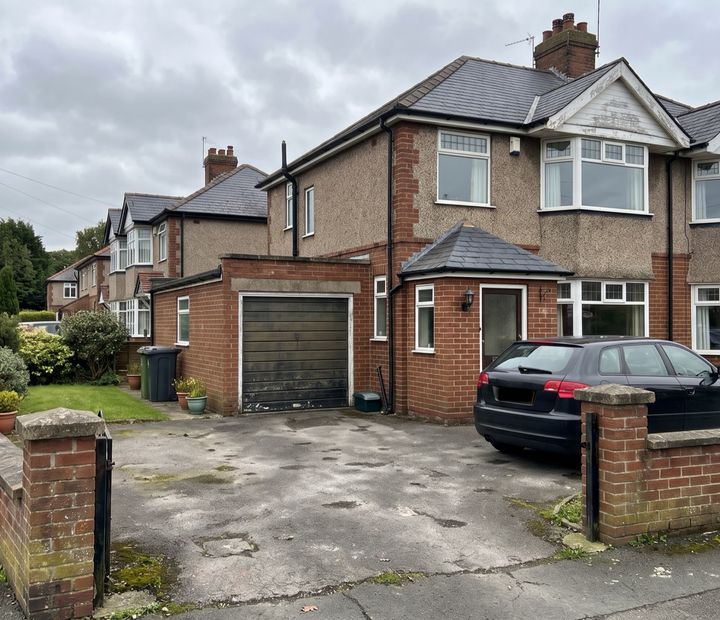
Warrington became a new town in 1968, its population is now more than twice what it was then, and the council estates of that era housed families moved out of slum clearances in Liverpool and Manchester, with private estates going up beside them. Semi-detached houses are now the most common home in the borough, followed by detached houses and terraces, and roughly a tenth of households live in purpose-built flats.
In a pair of semis, mice travel along the shared loft and through gaps where pipes and cables cross the party wall, so treating one half and ignoring the join buys a quiet month at best. On the estates built after designation, entry points tend to be boxed eaves, gaps around waste pipes, weep vents and garage doors without brush strips, and those same eaves gaps are where a queen wasp starts her nest in spring. In flats, a shared bin store or service riser can turn one household’s mice into a problem for the whole block, so we ask the managing agent or housing association about the common parts at the outset.
The older core is different again. Bridge Street still has its row of terracotta-fronted shops from the late Victorian period, and the council has produced conservation area appraisals for it and for Church Street. Buildings of that age often have open floor voids that mice use to move between units, and decorative ledges where pigeons settle, so bird proofing and rodent work there have to respect the fabric of the street.
What do the warehouses and business parks need?
Three motorways, the M6, M56 and M62, half-enclose the town, and Liverpool and Manchester are each 16 miles away. Omega, next to the M62, was meant to be a business park but ended up as mostly warehousing, with a large housing area alongside. Birchwood Park covers 123 acres, employs about 4,200 people and hosts many nuclear-sector firms. Shoppers head for Golden Square in the centre, while the Gemini retail park holds IKEA’s first UK store.
Warehouses take in a constant flow of pallets and run with roller doors open during loading, so mice in racking and birds under canopies are typical. Where houses sit right beside warehousing, as they do at Omega, rats move between loading yards, bin compounds and back gardens, and activity on one side of the fence needs checking on the other. Offices on a business park see mice in ceiling voids above staff kitchens and wasps in planted borders. For premises like these, commercial pest control works best as scheduled monitoring with a site plan and a written report after each visit, and bird proofing on large roofs is planned around the site’s access and working hours.
How do food caddies and fly-tipping affect rats?
A weekly food waste collection began on 31 March 2026, picked up on black-bin day, while the black bin itself stays fortnightly. Taking food out of general waste sooner should help, as long as the outdoor caddy stays latched. One left open overnight, or packed so full that the lid will not close, is an easy meal, and so are bags of scraps dumped beside the bin.
Fly-tipping is the other local factor. When rubbish is dumped on private or housing association land, the owner of that land has to remove it; the council will not. A heap of old furniture and bin bags behind a garage block makes ideal rat cover, and once it is cleared, its residents move into the nearest gardens and sheds.
What lies beyond the built-up edge?
Green belt stretched across 11,500 hectares of the borough in 2017, so a wide rural fringe surrounds the town. In autumn, as crops come in and nights turn cold, rats from field margins and wood mice move into homes, garages and outbuildings on that edge. The borough’s nature reserves, among them Paddington Meadows, Risley Moss and Rixton Claypits, call for the same care as the canal-side wetland: traps and locked stations close to buildings, never loose bait.
Large sites are changing too. Fiddlers Ferry Power Station has closed for good, and Unilever’s Soapworks site is being turned into a data centre. Demolition and groundworks disturb burrows and old drains, sending rats towards the nearest shelter, so homes and units beside a big site are worth watching while work goes on.
How does the council service compare, and where do we fit?
Many councils run a pest control service for residents, but what is covered, who can book and the charges all vary and can change, so check the council’s own pest control pages before you book. If you rent, report the problem to your landlord first. If you would rather book a private firm, call or message us to arrange a visit.
What Warrington Borough Council offers
Check the Warrington Borough Council website for current pest control services, who can book and what it charges, because these change. If you rent, ask your landlord who is responsible for treatment.
Council pest control page (checked 2026-10-24).
Our services in Warrington
Rat & Mouse Control in Warrington
The Mersey, three canals and Sankey Valley Park put water and cover beside housing, and riverside streets in Latchford and Howley have a flood history that can push rats out of the banks into gardens.
Wasp & Hornet Nest Removal in Warrington
Semis and detached houses make up almost two-thirds of the town's homes, and their eaves, soffits and lofts are where queen wasps settle in spring, with nests at full size by late summer.
Commercial Pest Control in Warrington
Warehousing at Omega on the M62, the offices of Birchwood Park and the shops of Golden Square and the Gemini retail park need planned monitoring and records rather than one-off call-outs.
Bird Control & Proofing in Warrington
For bird proofing here we survey first, trace how pests are getting in and seal those routes as well as treating, so the problem does not simply come back.
Bed Bug Control in Warrington
About three in ten Warrington households rent from a social or private landlord, and bed bugs brought in on second-hand furniture or left behind between tenancies are a regular job in flats and shared houses.
Other services available in Warrington:
Local factors behind pest problems in Warrington
- The Mersey flows through Warrington. The Manchester Ship Canal crosses the borough's southern half, the Bridgewater Canal connects Lymm and Walton Hall and Gardens, and the Sankey Canal lies on the town's western side. [Wikipedia]
- Opened in 1757, the Sankey Canal climbs the valley of the Sankey Brook inside Sankey Valley Park; it is largely still watered, though the A57 dual carriageway crosses it in Warrington. [Wikipedia]
- In February 1990 the Mersey came over its banks along Knutsford Road and flooded properties in Latchford, Howley, Westy, Lower Walton and Arpley Bridge; the walls and embankments built later were designed to lower flood risk for about 2,000 homes and businesses. [GOV.UK]
- The 2021 census counted 90,539 Warrington households, with 40.3% in semi-detached houses, 24.6% in detached houses, 22.8% in terraces and purpose-built flats at 10.3%. [Office for National Statistics (Nomis)]
- At the 2021 census 15.3% of Warrington households rented from a social landlord and 15.2% rented privately, while 68.7% owned their home outright or with a mortgage. [Office for National Statistics (Nomis)]
- Omega, beside the M62, was planned as a business park but developed mainly as warehousing with a large residential area. [Wikipedia]
- Around 4,200 people work on Birchwood Park, a mixed-use site of 123 acres with many nuclear-sector employers. [Wikipedia]
- Food caddies have been emptied every week since 31 March 2026, on black-bin day, while black bins stay on a fortnightly round. [Warrington Borough Council]
- In 2017 the borough's green belt extended to 11,500 hectares, leaving a wide rural fringe around the built-up area. [Wikipedia]
Pest control in Warrington: frequently asked questions
Does Warrington Borough Council still do pest control, and is any of it free?
Many councils run a pest control service for residents, but what is covered, who can book and the charges all vary and can change, so check the council's own pest control pages before you book. If you rent, report the problem to your landlord first. If you would rather book a private firm, call or message us to arrange a visit.
Do you cover Birchwood, Culcheth, Lymm and the rest of the borough?
Yes. We work across the WA1 to WA5 districts and WA13 around Lymm, so Orford and Padgate in the north, Great Sankey and Penketh in the west, Stockton Heath and Appleton in the south and Birchwood and Culcheth in the east are all part of our regular rounds. WA3 and WA4 spill over into neighbouring boroughs, and we cover those parts too. With the base in Warrington, visits here are planned into the week rather than squeezed around a long drive.
Our street near the Mersey flooded years ago. Are we more likely to get rats?
Possibly, though flooding is rarely the whole story. Rats burrow into riverbanks, and high water after heavy rain can force them into the nearest gardens and outbuildings. Streets in Latchford, Westy and Howley flooded in 1990, and defences have since been built along the river, but they do not change the bank habitat. If you live near the water, check airbricks, gaps around pipes and the ground under sheds after a wet spell. Sightings that continue once the river drops usually mean rats have found food or a drain defect, which is what our survey looks for.
Has the weekly food waste collection made rats worse in Warrington?
It should not, provided the caddy is used as intended. The weekly collection, which began on 31 March 2026, takes food out of the fortnightly black bin sooner, leaving less for rodents to find there. The risk comes from outdoor caddies left unlatched or so full the lid will not close, caddies put out the night before, and loose scraps around the bin. Keep the caddy locked, put it out on collection morning and rinse it now and then. If rats are already gnawing at a caddy or bin, book a survey rather than waiting.
Rats are living in fly-tipped rubbish behind our garages. Whose job is it?
If the land is private or belongs to a housing association, Warrington Borough Council expects the landowner to clear the dumped waste, not the council. Tell the owner or the association in writing, and if you can see rodents, use the council's 'Report a rodent sighting' option as well. Clearing the heap is only half the job, because rats sheltering in it will move into the nearest gardens and sheds once it goes. We can treat and proof your own property around the same date, so the clearance does not simply move them next door.
Can you look after a warehouse at Omega or an office on Birchwood Park under a contract?
Yes. Sites like these are usually better served by scheduled visits than by call-outs: monitoring points on a site plan, checks at loading doors, plant rooms and bin compounds, and a written report after each visit for your auditors or facilities team. We set the visit pattern with you according to the risk on site. The council offers business contracts too, so compare what each includes. Working from Warrington, we can also cover a firm's other premises in Widnes or St Helens under the same arrangement.
I let out a house in Warrington. Will the council treat it at the householder rate?
Council services and charges change, so check the council's own website for the current position, and if you rent, ask your landlord first.
Nearby areas we also cover
Sources (8)
Last updated: