Northwest Environmental looks after Runcorn homes and business premises, including Castlefields, Halton Village, Sandymoor and the Astmoor industrial area. We treat rats, mice, wasps, hornets, bed bugs, ants and nuisance birds, always survey before treating and plan every visit from our base in Warrington. To book, ring us or send the enquiry form.
How does the water around Runcorn shape its rat problems?
Few towns in the region have as much water pressed against them. Runcorn occupies the Mersey’s southern shore at the point where the estuary pinches in to form Runcorn Gap, and the town’s two ports face the Manchester Ship Canal on its western side. The Weaver Navigation closes off the south-west, and rainwater leaves the town in two directions, northwards to the Mersey and southwards to the Weaver. Brown rats are capable swimmers and persistent diggers, and every bank, ditch and outfall feeding those rivers is a corridor for them.
Then there is the Bridgewater Canal. Its Runcorn arm was opened in stages between 1767 and 1776 and finishes in a basin almost 90 feet above the river. The staircase of locks that once dropped down to the Mersey has gone, cut off by a slip road to the Silver Jubilee Bridge. In Phoenix Park, on the north side of Town Park, walking routes follow the towpath. Planted banks, a steady supply of bread thrown for ducks and gardens a short run away make a comfortable arrangement for rats, and it is the properties nearest the water where we most often find rat holes beneath sheds, decks and compost heaps.
Why do the planned estates see repeat mice and wasp problems?
An order made in April 1964 designated Runcorn a new town, and it spread east. The formerly separate villages of Halton and Norton now sit within that eastern half, alongside estates such as Castlefields, Palacefields and Murdishaw. Planned estates tend to repeat the same house types, roof details and drain runs street after street, so a weakness in one home is often shared by the homes around it.
Mice take advantage of that. In attached houses they travel through linked roof spaces, service ducts and the openings left where pipework crosses a party wall, which is why treating a single kitchen rarely ends the problem. Our rat and mouse control visits look at how the property connects to its neighbours and where shared drains run, not only at the room where droppings appeared.
Wasps follow the same logic higher up. Boxed eaves, soffit vents and fascia gaps copied across an estate offer queens a choice of near-identical nest sites each spring, and a house that had a nest last year often has a neighbour with one this year. Our wasp and hornet nest removal work across the eastern estates usually ends with advice on which gaps to close once the colony is dead.
The housing has changed over time. The Southgate estate, designed by James Stirling and built during the 1970s, was demolished in the early 1990s. Sandymoor, first earmarked for heavy industry, was switched to housing by a 1975 amendment to the masterplan, and most of its homes went up after 1990. Newer roofs have their own weak points, such as dry-fix ridges and vented soffits, and groundworks anywhere nearby can push rodents into the nearest gardens.
What do the works, docks and business parks mean for pests?
Chemical manufacturing has led Runcorn’s economy since the nineteenth century. The extensive chemical works in the west of the town have been run by Inovyn since 2001 and stand beside the gas-fired Rocksavage power station. Industry is spread across Weston Point, the Heath, Astmoor, Manor Park and Whitehouse, and a slice of the Whitehouse estate actually lies inside Preston Brook parish. The Manchester Ship Canal Company owns Runcorn Docks, while FLX Logistics operates Weston Point Docks.
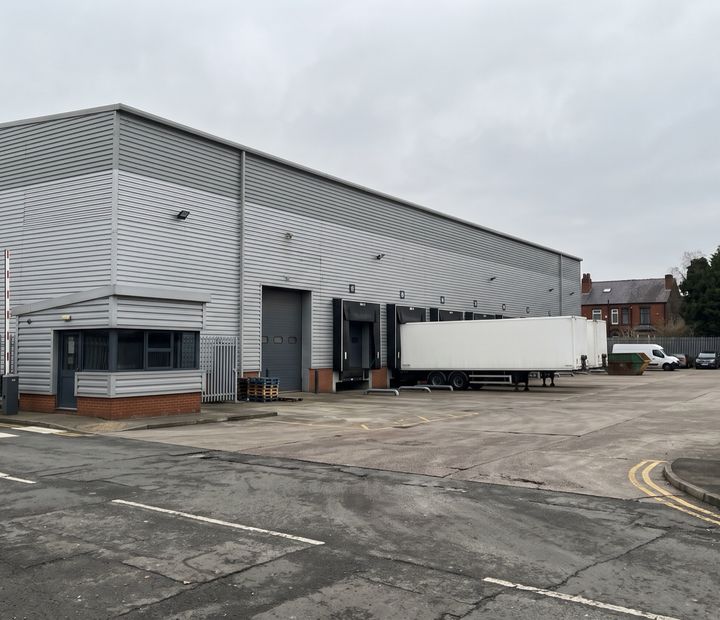
Premises like these share predictable pressure points: long fenced boundaries with rough grass, pallet stacks and skips, roller shutters that stay up for most of a shift, canteens and vending areas, and wide flat roofs close to water. Rats patrol the fence lines, mice arrive in pallets and packaging, and gulls look for undisturbed roofs to nest on. Commercial pest control here means an agreed inspection schedule, a site plan marking every bait point and trap, and a written record after each visit for the auditor, the landlord’s agent or a client’s quality team.
Where do gulls and pigeons cause trouble?
Birds go where food and shelter coincide. The retail core around Runcorn Shopping City, called Halton Lea for part of its history, has Trident Retail Park on its southern side, cinema included, and an Asda superstore dating from 1989. Broad roofs above busy car parks, where food is dropped and bins are emptied, suit both gulls and pigeons.
Historic buildings call for more care. The Castle pub in Halton occupies a courthouse of 1737 built on the site of Halton Castle’s medieval gatehouse, and it is listed Grade II*. Spikes, wires or netting attached to a building on the statutory list can require listed building consent, so before any bird proofing there we survey the roofline and choose fixings that can be taken out later without damaging the historic fabric.
What gaps does the council leave for Runcorn households and firms?
Halton’s list is short, and its rat offer is deliberately limited: basic baiting and advice, with structural repairs handed back to the owner. Bed bugs, birds, bees, squirrels and moles get no treatment at all, and nothing on the council’s pages is aimed at businesses.
That leaves recognisable gaps: a rented flat where bed bugs have spread from one bedroom to the next, a warehouse with mice in its racking, a householder whose rats keep returning through a broken drain. When we take on a rat job, the survey and proofing are part of it. We trace the drain fault or gap that lets the animals in, then seal it ourselves or write down precisely what repair is needed, so your builder or drainage firm can quote for it.
How are visits arranged from Warrington?
Warrington is a short run east along the A56, so Runcorn is a routine part of our working week rather than an outlying trip. Give us the address and a short description of the signs, and we will propose a day and an arrival window before anything is confirmed. Widnes, across Runcorn Gap, is served by the same vans, so an operator with sites in both towns can have them inspected on one timetable, with a single set of records.
What Halton Borough Council offers
Halton Borough Council runs a charged service, booked online, for rats, mice, ants, fleas, wasps and crawling insects, and rat visits are free to residents on council tax reduction. For rats it offers only basic rodenticide and advice, expecting the owner to investigate and repair any structural cause. Squirrels, moles, birds, bees and bed bugs fall outside its current service, flying ants are excluded, schools have a separate arrangement and no business service is described.
Council pest control page (checked 2026-10-24).
Our services in Runcorn
Rat & Mouse Control in Runcorn
The Mersey, the Ship Canal, the Weaver Navigation and the Bridgewater Canal all run close to housing here, giving rats banks to burrow into, and Halton's own rat service stops at basic baiting, leaving drain and structural faults to the owner.
Wasp & Hornet Nest Removal in Runcorn
The planned estates of the eastern new town repeat the same eaves, soffit boxes and lofts street after street, so a roof detail that suits one queen in spring tends to suit another a few doors along.
Commercial Pest Control in Runcorn
Most of the town's warehouses and works are on the Astmoor, Manor Park, Whitehouse, Heath and Weston Point estates, and Halton's pest pages describe no service for businesses, so these sites depend on private monitoring and records.
Bird Control & Proofing in Runcorn
Dock buildings on the Ship Canal, the broad retail roofs around Shopping City and Trident Retail Park, and the Grade II* listed Castle pub in Halton all give gulls and pigeons ledges and flat roofs to use, while birds sit outside the council's service.
Bed Bug Control in Runcorn
Halton's council does not currently offer bed bug treatment, so Runcorn tenants, landlords and owner-occupiers who find bites or spotting on bedding have no council route and need a private treatment plan.
Other services available in Runcorn:
Local factors behind pest problems in Runcorn
- Runcorn lies on the southern shore of the Mersey at Runcorn Gap, where the estuary closes in; both of its ports face the Ship Canal on the western side of town, the Weaver Navigation bounds it to the south-west, and its land drains partly to the Mersey and partly to the Weaver. [Wikipedia]
- The Bridgewater Canal's Runcorn arm, opened in stages between 1767 and 1776, ends in a basin nearly 90 feet above the Mersey; the ten locks that once linked the two are gone, cut off by a slip road to the Silver Jubilee Bridge. [Wikipedia]
- Town Park lies at the centre of the eastern new town, and Phoenix Park, on its northern side, has walking routes beside the Bridgewater Canal. [Wikipedia]
- Runcorn was designated a new town by an order of 10 April 1964 and expanded eastwards, with Brookvale, Hallwood Park, Beechwood and Windmill Hill among its new-town estates. [Wikipedia]
- Sandymoor was originally allocated to heavy industry, became housing land under a 1975 change to the masterplan, and most of its homes date from after 1990; it became a civil parish in 2008. [Wikipedia]
- Weston Point, the Heath, Astmoor, Manor Park and Whitehouse are the main industrial districts, and a section of the Whitehouse Industrial Estate falls inside Preston Brook civil parish. [Wikipedia]
- The Manchester Ship Canal Company, within Peel Ports Group, owns Runcorn Docks, and FLX Logistics operates Weston Point Docks. [Wikipedia]
- In 1999 Trident Retail Park, an open-air shopping park that includes a nine-screen cinema, opened on vacant land south of Runcorn Shopping City; a large Asda had opened on land west of the centre in 1989. [Wikipedia]
- Halton's weekly food waste collections begin in the week starting 2 November, on the normal bin day, using an outdoor caddy with a locking lid meant to keep pests out; it accepts raw and cooked meat, fish and bones. [Halton Borough Council]
- Any school in the Halton area can email the council to arrange treatment for mice, rats, ants, wasps, cockroaches or fleas, and the council comes back within a four-week period if the problem has not cleared. [Halton Borough Council]
Pest control in Runcorn: frequently asked questions
Which pests will Halton Borough Council treat in Runcorn, and which will it not?
Halton charges for rats, mice, ants, fleas, wasps and crawling insects, takes bookings online and publishes its fees on its pest control page. Residents receiving council tax reduction pay nothing for rat treatment, although the council calls that service basic rodenticide and advice and leaves the owner to put right any structural cause. Squirrels, moles, birds, bees, bed bugs and flying ants are outside its list. Schools have their own arrangement, and no business service is described, so works, warehouses and shops in the town arrange their own cover.
Do you cover Sandymoor, Murdishaw, Halton Village and the industrial estates?
Yes. The whole of the WA7 district is on our regular routes, so the planned estates such as Murdishaw and Palacefields, the former villages of Halton and Norton, newer homes at Sandymoor and the industrial areas at Astmoor, Manor Park, the Heath and Weston Point are all included. We also travel to the Halton villages of Daresbury and Moore, which carry WA4 postcodes, and to the part of the Whitehouse estate that lies in Preston Brook parish. Give us your postcode when you call and we will offer a day and an arrival window.
Our house backs onto the Bridgewater Canal. Are rats just part of living there?
Not necessarily, although you will see more pressure than a house further from water. Rats live in canal banks and feed where walkers leave scraps for ducks, then test the gardens closest to the towpath. Treatment clears the animals on your side of the fence, but lasting results come from making your garden less useful to them: wire mesh buried around sheds and decking, bird food kept off the ground, closed compost bins and intact drain covers. We check all of those on the first visit and show you which ones matter most at your address.
Our unit is on Astmoor. Is there any council pest service for businesses?
Halton's pest control page and its wider environmental pages do not describe one, so industrial and retail premises in Runcorn arrange their own cover. For a unit on Astmoor, Manor Park or Whitehouse we agree how often to inspect, fix monitoring points along walls, dock doors and bin areas, and hand over a written report each time we call. That record is what a customer audit, a food safety inspection or your landlord's agent will expect, and it shows when proofing was recommended and done.
Halton will not treat birds or bed bugs. Can you help?
Yes, both are part of our regular work in Runcorn. For bed bugs we first check that bugs, rather than another biting insect, are the cause, then treat the bedroom and any linked rooms and come back to inspect, because one visit seldom finishes the job. For gulls and pigeons on homes, shops or industrial roofs we survey first and fit netting, spikes or wire suited to the ledge or roof. Every wild bird species, gulls and pigeons included, has legal protection, and taking out an active nest generally requires a licence, so most bird work here is proofing planned outside the nesting season.
Our school already uses the council. When would it need a private contractor?
Halton's service for schools deals with mice, rats, ants, wasps, cockroaches and fleas; requests go in by email, and the council returns inside four weeks if the problem is still there. That suits many problems. A private contractor tends to help where the pest is outside that list, such as gulls nesting on a flat roof or squirrels in a roof void, where the school wants regular monitoring visits rather than call-outs, or where a treatment has to be timed around the school day or holidays.
Nearby areas we also cover
Last updated: