Homes and business premises across Widnes, including Ditton, Farnworth and West Bank, are covered by Northwest Environmental for rats, mice, wasps, bed bugs and birds. Technicians travel the eight miles downriver from our Warrington base on a booked day, survey before treating and proof the gaps. Ring the office or use the website form to arrange a visit.
How did a chemical town on the marsh end up with so many rat routes?
Before industry arrived, this part of the Mersey’s north bank was little more than marsh and moorland. John Hutchinson opened the first chemical works at Spike Island in 1847, making alkali, and by the 1950s some 45 major chemical works were operating. Most have since closed, and local jobs now lean towards services, but the land the works left behind still shapes where rodents live. Spike Island has been cleared and turned into open green space, and Pickerings Pasture, a sweep of wildflower meadow facing the estuary, was created on an old tip for household and industrial waste.
Water runs through all of it. The river pinches in at the Runcorn Gap along the town’s southern edge, and three brooks, Ditton, Steward’s and Bower’s, carry the town’s drainage down to it. The Sankey Canal begins at Spike Island, and its towpath, now part of the Trans Pennine Trail, heads inland through Sankey Valley Park. Brook banks, canal edges and rough grassland give brown rats soft ground to dig, cover to move under and a route from open land into gardens and drains. When a householder rings about a rat under the shed in a garden near one of these corridors, our first question is where the animals are crossing from, because treating the burrow alone rarely settles it.
Old villages inside a closely built town
As the works multiplied, Widnes swallowed the villages around it: Farnworth, Appleton, Ditton and Upton became districts of the town, and Woodend took on the name West Bank. Poor housing was being cleared and rebuilt between the wars, and further slum streets went after the Second World War. The result is a town of 62,400 people at the 2021 census, where homes are generally packed closely together, broken up by green spaces such as Victoria Park in Appleton and Hough Green Park in Ditton.
Close-set housing changes how mice behave. A colony in one floor void or roof space can reach the next home through gaps around pipes and joists, so treating a single address often buys only a few quiet weeks. On older streets we map the runs, look hard at the shared boundaries and, where owners agree, treat neighbouring houses in the same round.
Newer estates bring a different pattern. Ditton has had new-build schemes such as Chapel Gate, and housing and a cemetery are being laid out on the old Fairfield High School site. Groundworks on sites like these break into established burrows and push rodents towards the first gardens they reach.
Freight parks, a timber yard and goods on the move
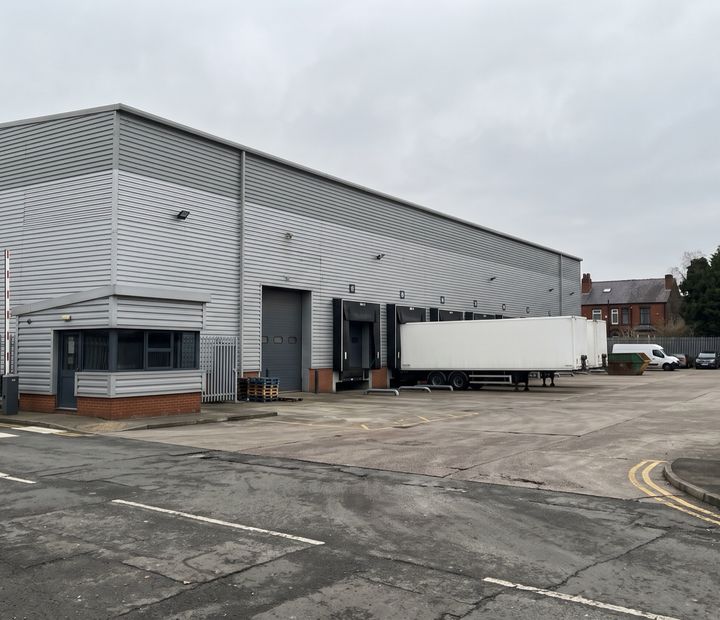
Much of the commercial pest work here follows goods in transit. The 3MG Mersey Multimodal Gateway freight park opened in West Bank in 2006, and Stobart Park’s first phase came four years later, centred on a very large refrigerated warehouse run for Tesco. Ditton Road still carries remnants of older industry, a chemical plant and a sizeable timber yard among them, with two mid-sized industrial estates nearby. The wider borough, with about 67,000 jobs in 2022, is described as an industrial, scientific and logistics hub.
These sites share a handful of pressures: roller doors opened over and over during a shift, pallets arriving from elsewhere, drainage runs around the buildings and food in staff mess rooms. Stacked timber and yard clutter give rats cover right up against walls. Our commercial pest control for Widnes premises rests on scheduled visits, with monitoring points around docks and the building line, a current site plan and bait record for auditors, and written proofing advice on door seals and duct entries. Halton’s pest page describes treatments for residents and schools only, so firms in the town arrange this work privately.
Market stalls, the waterfront and late-summer wasps
The town centre trades from Widnes Market, which has both a covered hall and an open market, right beside the Greenoaks Centre, open since 1995. The Hive Leisure Park followed in 2011 as part of the Widnes Waterfront scheme. Late in the summer, when colonies finish rearing workers and switch to producing queens, the idle workers hunt for sweet food, and open stalls, restaurant bins and outdoor tables are where they find it.
For a shop or stall, the sensible time to treat a nest above a frontage or canopy is before opening or after close, and wasp and hornet nest removal is usually one visit. On houses, nests turn up most often in roof spaces, eaves and wall cavities, and in sheds and hedges where gardens back on to green space such as Clincton Wood or Hale Road Woodlands.
Listed brick, terracotta and nuisance birds
Widnes has 24 listed buildings, most of them in brick, local red sandstone or terracotta. Among them are the churches of St Luke’s in Farnworth, St Michael’s in Ditton and St Mary’s in West Bank, the former Town Hall of 1885, and the stations at Widnes and Hough Green, both dating from 1872. Ledges, cornices and decorative masonry on buildings of this kind suit roosting pigeons, and spikes or netting have to be fixed without damaging the sandstone or terracotta. Halton’s council does not treat birds at all, so our bird proofing is private work, planned after looking at where the birds perch and how they reach it, and timed around the law protecting active nests.
What changes when the food caddies arrive?
Halton is moving to weekly food waste collections. Crews began dropping off caddies in the week beginning 5 October, and the first collections are due in the week beginning 2 November. Every house gets a small kitchen caddy and a larger kerbside one with a locking lid, which helps keep rats out provided the lid really is locked.
Flats on communal bins are not part of the change yet and keep using the shared bins until a separate grey bin for food waste is brought in. Bin stores serving blocks are among the first places we check when rats appear around flats, so closed lids and cleared spillages matter there until that bin arrives.
What will the council do, and what will it leave to you?
Halton’s own pest page is frank about the limits of its rat visit: rodenticide and advice, and no more. Where rats have reached a loft or cavity wall it expects the owner to find and repair the structural cause, which in practice means a drain survey, a builder or both. Birds, bed bugs, squirrels, moles, bees and flying ants fall outside the service entirely. A private visit fills those gaps, and our rat and mouse control begins with the survey the council leaves to you. Its advice is to seal any opening wider than 2.5 cm; for mice we go further, because they squeeze through far smaller gaps.
Eight miles downriver: how Widnes fits our week
Warrington sits about eight miles up the Mersey, which makes Widnes one of the nearest towns to our base. The A557 and A562 cross the town north to south and east to west. Since the Mersey Gateway Bridge opened in October 2017, and the Silver Jubilee Bridge reopened in 2021 with a single lane each way, jobs here and in Runcorn can share a day. Commercial monitoring visits are fixed in the diary first and household calls are fitted around them, so a family with mice in the kitchen and a warehouse manager with an inspection due both get a booked day rather than a vague window.
What Halton Borough Council offers
Halton Borough Council's pest service is for residents and schools: householders book online and pay for treatment of rats, mice, wasps, fleas, ants and crawling insects, except that rats are treated free for people on Council Tax Reduction. The rat visit amounts to rodenticide plus advice, with surveys and structural repairs left to the owner, and birds, bed bugs, squirrels, moles, bees and flying ants are not dealt with at all. Schools book by email, while the council's pest page describes no service for business premises.
Council pest control page (checked 2026-10-24).
Our services in Widnes
Rat & Mouse Control in Widnes
Ditton, Steward's and Bower's Brooks and the Sankey Canal towpath run green, wet corridors through the town, and Halton's own rat visit stops short of finding the structural fault that lets rats into a loft or wall.
Wasp & Hornet Nest Removal in Widnes
Closely packed housing puts many roof spaces and eaves within reach of the same gardens, and parks and reserves such as Clincton Wood and Victoria Park in Appleton give wasps insects to hunt and wood to strip for nest paper.
Commercial Pest Control in Widnes
Freight and food sites at 3MG and Stobart Park, and the chemical plant and timber yard on Ditton Road, need scheduled monitoring and audit records, and Halton's pest page offers no service for businesses.
Bird Control & Proofing in Widnes
Halton does not treat birds, so pigeons on Widnes roofs, shop canopies and warehouse ledges are private work, and listed brick, red sandstone and terracotta buildings need fixings chosen with the masonry in mind.
Bed Bug Control in Widnes
Bed bugs are on Halton's list of pests it will not treat, so flats, shared houses and rented homes in the town's densely built streets need a private treatment with a planned follow-up visit.
Other services available in Widnes:
Local factors behind pest problems in Widnes
- Three brooks, Ditton, Steward's and Bower's, carry the town's drainage into the Mersey, which narrows into the Runcorn Gap along the southern edge of Widnes. [Wikipedia]
- Spike Island marks the start of the Sankey Canal, and the towpath running from Sankey Bridges into Widnes is now part of the Trans Pennine Trail. [Wikipedia]
- The wildflower meadows of Pickerings Pasture, looking out over the Mersey, were laid out on land that was once a tip for household and industrial waste. [Wikipedia]
- Homes across Widnes are, for the most part, closely packed, with a scattering of open green spaces between them. [Wikipedia]
- Ditton, one of the town's residential districts, has gained new-build housing in recent years, the Chapel Gate development among it. [Wikipedia]
- Industry survives along Ditton Road, where a chemical plant and a sizeable timber yard stand, and Ditton is also home to two industrial estates of medium size. [Wikipedia]
- The 3MG Mersey Multimodal Gateway freight park opened in West Bank in 2006, and the first phase of Stobart Park, built around a large refrigerated warehouse for Tesco, followed in 2010. [Wikipedia]
- Widnes Market trades from both a covered hall and an open market, right beside the Greenoaks Centre mall, which opened in 1995. [Wikipedia]
- From the week beginning 2 November, food waste in Halton is collected every week, and each house is given a kitchen caddy and a kerbside caddy whose lid locks; flats on communal bins keep using their existing bins for now. [Halton Borough Council]
- Halton Borough Council warns that rats living in a loft or cavity wall usually point to a structural fault the owner has to investigate and repair, and it advises proofing any opening wider than 2.5 cm. [Halton Borough Council]
Pest control in Widnes: frequently asked questions
Can Halton Borough Council treat pests at my Widnes home?
For some pests, yes. Residents can book the council online for rodents, wasps, fleas, ants and crawling insects, all at a charge apart from rat treatment for anyone on Council Tax Reduction. The rat visit is basic, rodenticide plus advice, and where the cause is structural the owner has to arrange the survey and repair. Birds, bed bugs, squirrels, moles, bees and flying ants sit outside the service. Schools can book by email, businesses have no council option, and its pest control page lists what each treatment currently costs.
Do you cover all of Widnes, including Hough Green, Upton and Farnworth?
Yes. Every part of the WA8 postcode district is on our rounds, and it stretches over the boundary to Cronton on the Knowsley side. That takes in the old villages the town grew around, Farnworth, Appleton, Ditton and Upton, as well as West Bank, residential Hough Green by its station, the newer housing in Ditton and the freight and industrial sites. Domestic and commercial jobs share one diary, which keeps travelling down and makes it easier to offer you a day that suits. Mention your street when you book so the visit can be grouped with others nearby.
Will the council deal with pigeons on our house or shop?
No. Halton excludes birds from its pest service, so pigeons on a Widnes roof, chimney stack, shop canopy or warehouse ledge are private work. We look at where the birds roost and how they reach it, then recommend netting, spikes, sprung wire or another method that suits the building. Wild birds and their active nests have legal protection, so work is planned around nesting rather than disturbing eggs or chicks. On listed brick and terracotta buildings we choose fixings that will not harm the masonry and check whether consent is needed first.
We run a warehouse at 3MG or Stobart Park. What would planned pest control involve?
Usually a set number of scheduled visits a year, agreed after a survey of the site, with monitoring points around loading docks, the building line, waste compounds and mess rooms. Each visit is written up, and the site plan, bait records and proofing recommendations are kept together for your auditors or customers. Distribution sites take in pallets and packaging from many places, so early warning matters more than a quick fix after the event. The same approach suits the plants and yards along Ditton Road and the units on Ditton's industrial estates.
Our flat still uses a communal bin. Does that make rats more likely?
It can. Halton's weekly food waste collections, with a lockable kerbside caddy for each house, start from the week beginning 2 November, but flats and other communal-bin properties stay on their shared bins for now, with a separate grey food waste bin promised in the months ahead. Until then, food scraps still end up in the general communal bin, so lids left open, split bags on the floor and gaps under bin store doors are what draw rats in. Report damaged bins to whoever manages the block, and call us if you notice burrows or droppings nearby.
Why have we got mice in our new-build in Ditton?
New homes are not immune. Building work on neighbouring plots disturbs rodents already living in the ground and hedgerows, and they head for the nearest shelter. In a newly finished house the usual ways in are gaps around pipes and cables where they enter the building, unsealed boxing behind kitchen units, unmeshed airbricks and the base of a garage door. We trace the runs to find which applies, set traps inside enclosed boxes and tell you what to raise with the developer if the gap turns out to be a snagging defect.
Nearby areas we also cover
Last updated: