Northwest Environmental provides pest control across Liverpool, from the terraced streets of the north and east to city-centre kitchens, the port and the Speke business parks. We handle rats, mice, bed bugs, cockroaches, wasps and gulls for households, landlords and firms, on visits planned from our Warrington base. Phone or send the enquiry form to book.
Why do pests move so easily through Liverpool’s terraced streets?
Terraced housing still dominates much of north and east Liverpool, a point the council’s head of private sector housing made in 2021 while arguing for landlord licensing. Close-packed housing goes back a long way here. The city’s first back-to-back houses are thought to date from the 1780s, around 86,000 people were living in court housing by 1840, and from 1861 the city stopped any more back-to-backs being built. Terraced building came at scale too: Richard Owens designed more than 10,000 terraced houses with the builders David Roberts, Son and Co., the Welsh Streets and the Granby Streets among them.
For anyone dealing with mice or cockroaches, what matters is what these houses share. Party walls, roof voids, floor spaces and old drain runs connect one home to the next, so a problem treated in a single house can return from two doors along. Our rat and mouse control in terraced rows therefore starts with entry points and the condition of the houses either side, not only the kitchen where droppings turned up.
Space behind many homes is tight. Around 850 communal bin stations went in between 2018 and 2022 to serve homes with little room in the alley, after residents objected to rubbish being stored there. Rats follow food waste wherever it gathers, so a split bag left beside a station or a lid propped open keeps them around more surely than almost anything inside the house.
What changes in a shared house or student let?
At the end of 2021 private renting accounted for 32% of Liverpool’s homes, rising towards half in a third or more of its wards. In 2015 Liverpool became the first UK city to run landlord licensing across its whole area, in response to overcrowded and badly kept rented homes, and it planned to bring the scheme back in fewer wards from April 2022. Add more than 30,000 students at the University of Liverpool and over 25,000 at Liverpool John Moores University, both in the Knowledge Quarter, and many rooms in the city change occupant every year.
That turnover is the main reason bed bugs keep turning up in rented rooms. Each autumn, beds, sofas and suitcases move from one student address to another and back to parents’ houses, and in a house let room by room, bugs can work through several bedrooms before anyone compares bites. Kitchens shared by five or six tenants are where German cockroaches settle, so cockroach treatment in an HMO covers the communal kitchen, the rooms off it and any flat on the other side of the wall.
Responsibility matters as much as treatment. The council’s domestic service is not for shared accommodation, HMOs or pests in communal areas, and residents in that position are directed to their landlord to organise a commercial visit instead. We take those bookings from landlords and agents and send our findings in writing, so tenants and owners are reading the same report.
How do the docks, the river and the canal affect rats?
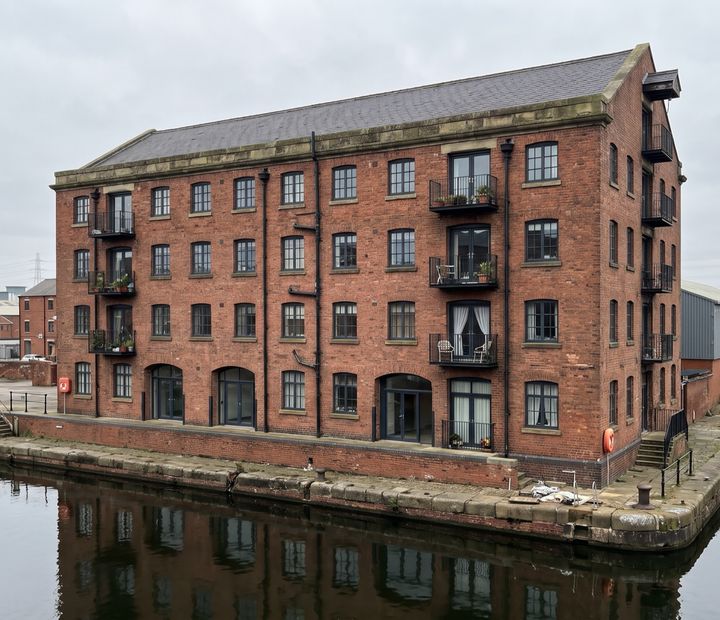
Liverpool’s dock estate lines the Mersey from Brunswick Dock to Seaforth Dock, and in 2020 only three UK ports handled more freight. The Leeds and Liverpool Canal comes in through Aintree and Bootle to the Eldonian Basin, and since 2009 the Liverpool Canal Link has carried it down through the four Stanley Dock locks and the Pier Head tunnels to Canning Dock. Quaysides, towpaths and the drains that serve them are natural travel routes for brown rats, which swim well and forage widely after dark, so a warehouse by the water and a terrace a few streets back can be dealing with the same animals.
Construction disturbs rats as well. Bramley-Moore Dock in Vauxhall was filled with reclaimed sand from the Mersey for Everton’s new stadium, with the main build running from January 2022 to December 2024, and the last of the old Royal Liverpool University Hospital buildings came down in 2025 while Paddington Village goes up in phases. Groundworks break into old sewers and burrows, and homes or premises near a site can see rats for the first time while the work goes on.
Which city-centre businesses need visits planned around trading?
The Ropewalks is known for independent cafés, restaurants and night-time trade, on streets such as Bold Street and Seel Street. Duke Street adds places to eat and drink plus boutique hotels, and Concert Square is one of the city’s main spots for outdoor drinking. Wolstenholme Square, cleared once its nightclubs shut in 2016, has since been rebuilt with flats and commercial units. In the Baltic Triangle, more than 500 businesses employed over 3,000 people in 2020, alongside markets, beer gardens, live music and food sites such as Camp and Furnace and Cains Brewery Village.
Warmth, food, shared walls and service voids linking one unit to the next are exactly what German cockroaches and house mice need. We book visits before opening or after close, keep every product clear of surfaces where food is prepared and write up each visit so the paperwork is ready when an environmental health officer asks for it.
What can be done about gulls on Liverpool rooftops?
Shoppers and workers in the city increasingly complain about gulls snatching sandwiches and swooping on people. A behavioural ecologist at Liverpool John Moores University has pointed out that rooftops stand in for the sea cliffs gulls would otherwise use and that litter and food waste give them easy meals, and advises securing waste and protecting likely nest sites before the birds settle. The noise peaks from late spring into early summer.
Bird proofing here often involves historic fabric, because Liverpool has more than 2,500 listed buildings, 27 of them Grade I. Netting, wires or spikes fixed to a listed building may need listed building consent, and all wild birds are protected by the Wildlife and Countryside Act 1981, so an active nest cannot simply be cleared. We survey and install through autumn and winter, before nesting starts, on warehouses and offices as well as older frontages.
Where does the council’s service stop?
For a householder with rats or mice, the council’s free domestic service is a sensible first call. Private treatment makes more sense where its list ends: bed bugs, cockroaches, fleas and birds are not on it, shared houses and communal areas are outside it, and landlords and businesses would be quoted by its commercial team in any case. Wasps are a judgement call. The council treats them for a fee in its July to October season and notes that sightings before late June are often bees, so a quick photograph before booking anyone saves a wasted visit.
How do Liverpool visits fit into our week?
We reach Liverpool from our Warrington base on planned rounds, and the M57, which works as a ring road for the city, lets us get to the outer districts without crossing the centre. Liverpool appointments are grouped alongside Widnes and the Wirral, which helps keep routine monitoring visits to their agreed dates and leaves room in the diary for one-off domestic jobs. Businesses on the Speke side, including the parks near Liverpool John Lennon Airport and the Estuary Commerce Park, can have their contract visits set months ahead, while a householder in a terrace or a landlord with a shared house can book a single inspection and a follow-up.
What Liverpool City Council offers
Liverpool City Council continues to offer a domestic pest service of its own. Rats and mice are treated free for household occupiers, while ant and wasp treatments are charged and carried out between 1 July and 31 October; mice and ants are treated inside the home only. Bed bugs, cockroaches and fleas are not on the domestic list. Residents of shared houses or HMOs, or with pests in communal areas, are referred to their landlord, who can set up a commercial visit, and landlords, businesses and schools use the council's separate commercial service, which works by survey and quotation. The council's pages carry no date, so check them for current terms.
Council pest control page (checked 2026-10-24).
Our services in Liverpool
Bed Bug Control in Liverpool
About a third of homes were privately rented in 2021 and two Knowledge Quarter universities teach over 55,000 students, so beds, furniture and luggage move between addresses every year and bed bugs move with them.
Cockroach Treatment in Liverpool
Restaurants, bars and new flats sit close together in the Ropewalks and the Baltic Triangle, and where buildings share walls, ducts or drains, German cockroaches can spread from a kitchen to the homes beside it.
Rat & Mouse Control in Liverpool
Quaysides on the dock estate, the Leeds and Liverpool Canal towpath, back alleys and around 850 communal bin stations all give rats cover and food close to homes and premises.
Bird Control & Proofing in Liverpool
Shoppers and workers increasingly complain about gulls taking food and swooping, and with more than 2,500 listed buildings in the city, proofing often has to respect historic rooflines as well as warehouse roofs.
Commercial Pest Control in Liverpool
The Speke business parks, the dock estate and the late-trading kitchens of the Ropewalks all suit scheduled monitoring with written records rather than one-off call-outs.
Other services available in Liverpool:
Local factors behind pest problems in Liverpool
- A December 2021 blog by the council's head of private sector housing described terraced housing as still the defining feature of the city, above all in the north and east. [Liverpool City Council (Liverpool Express)]
- Private renting made up 32% of Liverpool's housing stock in December 2021, and close to half the homes were privately rented in at least one ward in three. [Liverpool City Council (Liverpool Express)]
- Liverpool has about 850 communal bin stations, first put in from 2018 to 2022 for homes with little alleyway space, following residents' worries about rubbish stored in alleys. [Liverpool City Council (Liverpool Express)]
- The University of Liverpool and Liverpool John Moores University, both in the Knowledge Quarter, teach more than 30,000 and more than 25,000 students respectively. [Wikipedia]
- Bold Street, Seel Street and Duke Street are among the Ropewalks streets known for independent cafés, restaurants and nightlife, and Duke Street also has boutique hotels. [Wikipedia]
- In 2020 the Baltic Triangle held more than 500 businesses employing over 3,000 people, alongside markets, music venues and food and drink sites. [Wikipedia]
- The Port of Liverpool stretches along the Mersey from Brunswick Dock to Seaforth Dock; in 2020 only three UK ports moved more freight, and it handled 31.1 million tonnes that year. [Wikipedia]
- The Leeds and Liverpool Canal reaches the Eldonian Basin, and the Liverpool Canal Link, finished in 2009, carries it through the Stanley Dock locks and tunnels at the Pier Head to Canning Dock. [Wikipedia]
- Shoppers and workers in the city increasingly complain about gulls taking food and swooping, and the birds are noisiest from late spring into early summer. [Liverpool John Moores University]
- Speke is home to Liverpool John Lennon Airport, business parks including Speke Business Park on Goodlass Road, and a cluster of pharmaceutical facilities. [Wikipedia]
- Liverpool has more than 2,500 listed buildings, 27 of them Grade I and 85 Grade II*. [Wikipedia]
Pest control in Liverpool: frequently asked questions
What does Liverpool City Council offer for pest problems?
The council still runs a domestic service for households. Rats and mice are treated free for domestic occupiers, while ants and wasps are charged, with that seasonal work carried out between 1 July and 31 October. You book online through a council account, and each week's appointments are released at noon on the day before officers visit your area. Bed bugs, cockroaches and fleas are not on the domestic list, and people in shared houses, HMOs or with pests in communal areas are asked to contact their landlord. Landlords, businesses and schools are quoted by the council's commercial service after a survey.
Do you cover the whole city, including Walton, West Derby and Speke?
Yes. We work across every L postcode district in the city, L1 to L20 and L24 to L28, so Walton, West Derby and Speke all sit inside our Liverpool rounds. Several districts cross the boundary into Sefton, Knowsley or Halton, around Aintree, Halewood and Hale for example, and we cover the streets on both sides of that line in the same way. Homes and businesses are booked onto the same rounds, so a shop and the flat above it can be seen on one visit. Give us your postcode when you get in touch so the job goes on the right round.
I rent a room in a shared house and the council says it cannot help. What happens next?
The council's domestic service is not for shared accommodation, HMOs or pests in communal areas, so it asks residents to contact their landlord, who can arrange a commercial visit. Report the problem to your landlord or letting agent in writing, with photographs if you have them, and say which rooms are affected. We can take the booking from your landlord or agent, inspect the shared kitchen, bathroom and landings as well as the rooms reported, and send our findings in writing so tenants and owner work from the same report.
Why do mice keep coming back to our terraced house?
Terraced rows share party walls, roof voids, floor spaces and drains, so a treatment confined to one house can clear it only until mice cross back from next door. Food waste in back alleys and around communal bin stations adds to the pressure. We look for the real entry points, which in older terraces are often gaps around pipes, under doors and where floorboards meet the wall, then bait or trap and proof those gaps. Where neighbours agree, inspecting the adjoining houses at the same time gives a much more lasting result.
Can anything legally be done about gulls nesting on our roof?
Gulls, like all wild birds, are protected under the Wildlife and Countryside Act 1981, so an active nest with eggs or chicks generally cannot be removed unless a Natural England licence allows it. The dependable answer is proofing before the birds settle, during autumn and winter ahead of the spring nesting season, using netting, wires or spikes chosen for that roof. Liverpool has more than 2,500 listed buildings, and fixings on a listed building may need consent, so we raise that early. Keeping food waste sealed removes much of the attraction.
We run a unit on one of the Speke business parks. Do you offer scheduled visits?
Yes. Business park units, whether warehouse, office, retail or production, usually do best on a contract with routine inspections at a frequency set by the risk on site, rather than calling someone out once a problem is visible. Each visit covers external bait stations, goods-in areas, staff rest rooms and any bird activity on the roof, and you receive a written report to keep with your site records. Visits are planned in advance from our Warrington base, and you can ask for an extra one if anything appears in between.
Nearby areas we also cover
Sources (11)
Last updated: