Northwest Environmental provides pest control for homes, landlords and businesses across Bolton, including Horwich, Farnworth and Halliwell, with visits planned from our Warrington base. We treat rats, mice, wasps, bed bugs, cockroaches and fleas, proof buildings against pigeons and run commercial monitoring contracts. Book by phone or the contact form and we will agree a date.
Why do Bolton’s buried rivers matter for rats?
Bolton’s main river is easy to miss. The River Croal forms where Middle Brook and Deane Church Brook meet and heads east through the town, and through the centre most of it is hidden in culverts under Knowsley Street, Market Place and Bridge Street. The River Tonge, with Bradshaw, Astley and Eagley Brooks among its tributaries, joins it at Darcy Lever, and the Croal finally reaches the Irwell at Nob End near Kearsley.
That hidden geography matters more than it looks on a map. Brown rats swim well and use culverts, sewers and brook banks as sheltered corridors, so a shop or restaurant above a buried watercourse can have rodents that never cross open ground. In the suburbs, gardens backing onto a brook are usually first to show burrows and runs after a wet spell, when rising water pushes rats out of the banks. When we survey a home or business in the Croal or Tonge catchment, the drains and inspection chambers get as much attention as the garden or yard.
What is left of the canal, and why do the lodges matter?
The Bolton arm of the Manchester, Bolton & Bury Canal, built between 1791 and 1808, was formally abandoned in 1941. A breach near Nob End in 1936 was never mended, the building of St Peter’s Way destroyed much of its route into the centre, and the Church Wharf terminus has gone. The last stretch still holding water is now used by anglers.
Moses Gate Country Park takes in roughly 300 hectares of the Croal and Irwell valleys on the A6053 between Farnworth and Little Lever. It has three lodges, given over to fishing, water sports and wildlife, and one of the few sections of the old canal still in water lies nearby. The Crompton Lodges there began as mill ponds feeding a paper works, and the wider site was once home to a bleach works, a chemical works and collieries. Standing water and rough cover are exactly what rats look for, so for properties near the park we check fences, sheds and airbricks closely when autumn sends rodents looking for shelter.
Which homes in Bolton give pests a way in?
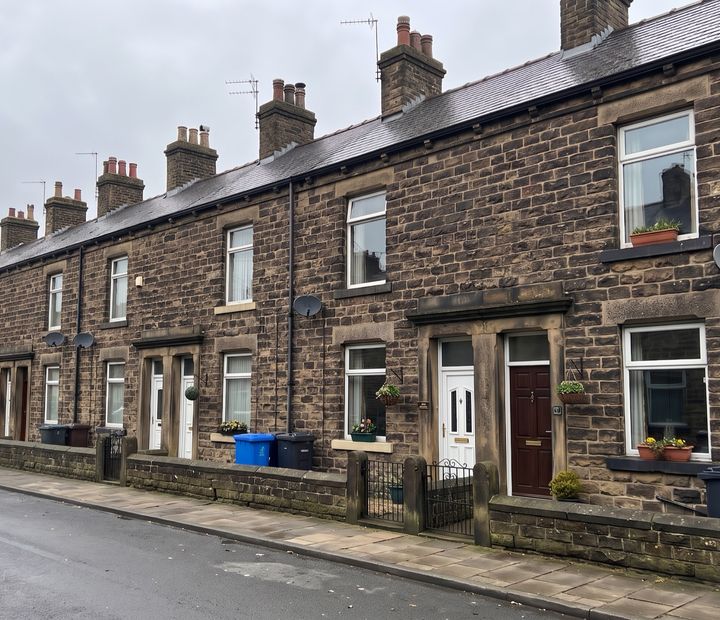
Bolton was a nineteenth-century cotton boomtown. At its 1929 peak it had 216 cotton mills and 26 bleaching and dyeing works, although cotton manufacture had all but stopped by the 1980s. In Horwich, the Victorian and Edwardian two-up two-down brick terraces built for families drawn by the railway works and other industry remain in everyday use, and terraced houses were the biggest single group there at the 2011 Census. Farnworth leans the other way, with semi-detached houses outnumbering terraces and a fair share of purpose-built flats.
Each type brings its own routes. Mice can travel along a terraced row through shared voids and gaps in party walls, so treating one house while next door does nothing tends to buy only a short pause. Semis more often let rats in under extensions, decking and garden buildings, while flats concentrate the risk in bin stores and communal areas.
Tenure adds another layer. At the 2021 Census roughly one Bolton household in five rented from a social landlord, a higher share than the North West or England as a whole, and private renting had climbed from 13.7% to 18.0% of households in ten years. More lets mean more tenancy changes, more second-hand furniture moving between addresses and more landlords who need written reports. Bed bugs show this most clearly, because they hitch a ride in luggage and furniture, and every change of tenant gives them another chance to spread.
What does Bolton Council cover, and who falls outside it?
Bolton Council keeps an in-house pest control unit. Its pages say it treats rats and mice without charge for residents who own their home or rent privately, with a treatment visit and up to one follow-up. Visits are planned by postcode on set weekdays, and someone over 18 must be in between 8am and 4pm. One older council page still shows a charge for rodents, so it is worth checking the current pages, but if the free scheme fits your circumstances it is a sensible first call, and we will say so if you ring us.
The gaps are specific. Housing association and other social housing tenants are told to go to their housing provider, because the council does not deal with rodents in those homes. Bed bugs and cockroaches are survey only on its list, wasps, fleas, ants and squirrels are charged, and moths are not something it handles. A rodent problem that comes back inside the three-month window, or a home where nobody can be in on the set day, also sits outside the free offer. Those are the cases our domestic service in Bolton is set up for, alongside the rat and mouse control we carry out for businesses.
Which Bolton premises need planned pest control?
Middlebrook is Horwich’s main economic area. Bolton Wanderers have played there since leaving Burnden Park in 1997, employers such as Hitachi are based there, and new industrial land is being built out towards Blackrod. Retail and industrial units and match-day crowds bring waste, deliveries and constant footfall, which is what draws rodents and roosting birds.
Royal Bolton Hospital stands in Farnworth on the former Townleys Hospital site, the University of Bolton sits at the heart of the Bolton Innovation Zone development, and Le Mans Crescent holds the central library, museum, art gallery, aquarium and magistrates’ court and is set to anchor a Cultural Quarter. Premises of this kind need treatment that fits around patients, students, visitors and staff, with every bait point mapped and every visit logged.
In the town centre, plans for Church Wharf and the Merchant’s Quarter would add around a million square feet of business space between them, and Crompton Place is earmarked for homes, shops and leisure. If groundworks go ahead on sites of that size, they can unsettle rodents living in old drains and foundations, so neighbouring premises are wise to have monitoring in place before work begins. For bakeries, takeaways, warehouses and offices, our commercial pest control contracts set a visit schedule, a bait plan and records an environmental health officer can follow.
How do you proof a listed building against pigeons?
Bolton keeps some fine Victorian civic buildings, among them the Grade II listed Market Hall of 1854 and the Grade II* Town Hall, which opened in 1873. Ledges and cornices on buildings of this age give pigeons ready perches, and their droppings stain masonry and foul entrances. The council will survey a pigeon problem and clean up, but prices any treatment case by case. Our bird proofing for older buildings relies on discreet netting, low-profile spikes and sprung wire fixed with as little impact on the fabric as possible, and on listed buildings we confirm with the owner whether consent is needed first. Pigeons are protected wild birds, so proofing, not culling, is the starting point.
How do we plan Bolton visits from Warrington?
The M61, with three junctions serving the borough, makes Bolton a straightforward run from our Warrington base. We group Bolton appointments with work in neighbouring Wigan and Chorley, agree the date of each follow-up at the first visit so households and site managers know when to expect us, and keep a single set of records for any business with premises on both sides of the borough boundary.
What Bolton Council offers
Bolton Council has its own pest control unit for homes and businesses across the borough. Its pages say that rats and mice are treated free for residents who own or privately rent their home: a treatment visit and up to one follow-up, on set postcode days with an adult at home. It does not deal with rodents in housing association or social housing homes and refers those tenants to their landlord. Wasps, fleas, ants, squirrels and several other insects are charged, bed bugs, cockroaches and moles are survey only, pigeon treatment is priced case by case and moths are not handled. Businesses can take contracts or report problems by email. One older council page still lists a charge for rats and mice, so check the current pages before booking.
Council pest control page (checked 2026-10-24).
Our services in Bolton
Rat & Mouse Control in Bolton
The culverted Croal, the River Tonge and its brooks, and the lodges at Moses Gate give rats sheltered routes along water. The council's free rodent service excludes social housing and covers a visit and one follow-up, so repeat problems and business premises often need private cover.
Bed Bug Control in Bolton
Private renting rose from 13.7% to 18.0% of Bolton households between 2011 and 2021, and bed bugs travel between lets in luggage and second-hand furniture. The council surveys bed bugs but does not treat them, so landlords and tenants need a private treatment plan.
Commercial Pest Control in Bolton
Retail and industrial units at Middlebrook, healthcare and campus buildings, and town-centre shops and food businesses all need pest control planned around the public, with records ready for audits and environmental health inspections.
Bird Control & Proofing in Bolton
Ledges and cornices on older buildings draw roosting pigeons. On listed buildings such as the Grade II Market Hall, alterations can need listed building consent, and the council prices pigeon treatment case by case, so proofing has to be planned around the fabric.
Wasp & Hornet Nest Removal in Bolton
Bolton Council charges for wasp nests, including those above gutter height, and the eaves and roof spaces of older brick terraces, such as Horwich's two-up two-down rows, give queens sheltered places to start a nest in spring.
Cockroach Treatment in Bolton
Cockroaches are survey only on the council's list, so a confirmed infestation in a Bolton flat, takeaway or bakery needs private treatment with baits and follow-up monitoring.
Other services available in Bolton:
Local factors behind pest problems in Bolton
- Much of the River Croal runs in culverts beneath Knowsley Street, Market Place and Bridge Street in the town centre; it takes in the River Tonge at Darcy Lever and meets the Irwell at Nob End, Kearsley. [Wikipedia]
- A breach near Nob End in 1936 was never repaired, and the Bolton arm of the Manchester, Bolton & Bury Canal was abandoned in 1941. St Peter's Way destroyed much of its route into central Bolton, and its last stretch still in water is used for fishing. [Wikipedia]
- Moses Gate Country Park spans about 300 hectares of the Croal and Irwell valleys between Farnworth and Little Lever, with three lodges and land once used by a paper mill, bleach works, chemical works and collieries. [Wikipedia]
- At the 2021 Census, 19.8% of Bolton households rented from a social landlord, above the North West and England averages, and 18.0% rented privately, up from 13.7% in 2011. [ONS]
- Horwich's Victorian and Edwardian two-up two-down brick terraces, built for workers who came for the railway works and other industry, are still in use, and terraced homes were the largest group among its 9,013 households in 2011. [Wikipedia]
- Semi-detached houses were the most common of Farnworth's 11,961 dwellings at the 2011 Census, ahead of terraced houses and then purpose-built flats. [Wikipedia]
- At its 1929 peak Bolton had 216 cotton mills and 26 bleaching and dyeing works; cotton manufacture had all but ended there by the 1980s. [Wikipedia]
- Middlebrook is Horwich's main economic area, home to Bolton Wanderers since their 1997 move from Burnden Park and to employers such as Hitachi, with new industrial areas being built towards Blackrod. [Wikipedia]
- Bolton Council offers free rat and mouse treatment to owner-occupiers and private tenants, but it does not deal with rodents in housing association or social housing homes. [Bolton Council]
- Bolton Market Hall, built in 1854, is a Grade II listed building. [Wikipedia]
Pest control in Bolton: frequently asked questions
What does Bolton Council offer for pest problems?
The council runs its own pest control unit for homes and businesses. According to its pages, residents who own or privately rent their home can have rats or mice treated without charge, with a treatment visit and up to one follow-up, on the weekday set for their postcode and with an adult at home between 8am and 4pm. Housing association and social housing tenants are referred to their landlord. Wasps, fleas, ants and several other pests are charged, and bed bugs and cockroaches are survey only. One older page still lists a rodent charge, so check the current pages.
Do you cover Horwich, Westhoughton, Farnworth and the villages north of Bolton?
Yes. We work across all of Bolton's BL postcode districts, from Horwich and Blackrod in BL6 and Westhoughton in BL5 to Farnworth and Kearsley in BL4 and Egerton and Bromley Cross in BL7, as well as inner areas such as Halliwell and Daubhill. Because we plan Bolton visits alongside our work in Wigan and Chorley, give us your postcode when you get in touch and we will tell you the next day we are working near you, then agree each follow-up date at the first visit.
Bolton Council only surveys bed bugs and cockroaches. Can you treat them?
Yes. Because the council lists both as survey only, a confirmed infestation needs private treatment. Bed bugs call for a close inspection of beds, sofas, skirting and plug sockets, a treatment matched to how far they have spread and a planned return visit, because eggs can survive the first round. Cockroaches in kitchens and flats are treated with gel baits and monitored with sticky traps in the warm voids behind appliances, and in a block the neighbouring flats often need checking as well. We tell you how to prepare before the first visit.
Can you keep pigeons off a listed building in Bolton town centre?
Usually, with care. Netting, low-profile spikes and sprung wire can be fixed in ways that limit the effect on stone and brickwork, and we choose fixings and colours to suit the building. Because altering a listed building can need listed building consent, we check the position with the owner, and the council where necessary, before work starts. The council will survey a pigeon problem and clean up, but treatment is priced case by case, so many owners prefer a proofing plan that removes the perches pigeons rely on.
Does the council's free rodent service cover a business or the communal areas of a block?
No. The free rat and mouse treatment is for homes whose residents own or privately rent them. The council handles business premises and the communal areas of housing association and apartment blocks separately, charging per pest or by contract, and asks commercial premises, schools and owners of several properties to report by email. If you run a shop, manage a block or have premises in more than one borough, we can set up one monitoring programme with a site plan and visit log, and add sites in Wigan or Chorley to the same agreement.
I let several houses in Bolton. Can you deal with my tenants directly?
Yes. With your agreement we arrange access with the tenant, carry out the survey and treatment, and send you a written report covering what we found, what we did and any repair that falls to you, such as a damaged airbrick or a broken drain. That record helps settle whether a problem came from the building or from how it was used. Your tenants may be able to use the council's free rodent service, but bed bugs and cockroaches are survey only there, and many landlords want one provider reporting back across every property.
Nearby areas we also cover
Last updated: